



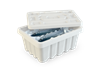
iBoxit Limited has secured £400,000 in funding to support the development and commercial readiness of its recyclable, plant-based and biodegradable alternatives to expanded polystyrene.
The plant-based biofoam is designed to exceed the thermal and structural performance of extended polystyrene while also biodegrading into an organic fertilizer at its end-of-life.
This is expected to replace single-use EPS boxes in sectors such as seafood logistics, food processing, pharmaceuticals, and industrial packaging.
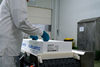
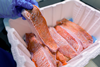
“The moment that changed everything for me was standing in a salmon processing plant and seeing thousands of single‑use EPS boxes piled up, destined for landfill or worse,” said iBoxit’s founder and CEO, John Farley. “It was truly shocking.
“I’d spent years in the seafood industry but witnessing that scale of waste in one place made the environmental cost impossible to ignore. I knew then that something had to change, and that experience has driven me ever since to prove that we can replace EPS with sustainable materials that protect both the product and the planet.
“Our plant‑based alternatives demonstrate that sustainable materials can meet the performance demands of modern supply chains. Looking ahead, my ambition is to scale iBoxit globally and help industries everywhere move away from EPS for good. We’ve made huge progress, but this is only the beginning of what I believe we can achieve.”
Following an Innovate UK grant to develop new packaging solutions for the seafood sector, iBoxit’s latest funding is set to support the final stages of product development, manufacturing readiness, and customer engagement as the company prepares to expand in Australia, Sweden, and other international regions.
The funding includes a £230,000 investment from the British Design Fund, with CEO Damon Bonser adding: “iBoxit is addressing a significant environmental challenge with a scalable and technically robust solution. The team brings deep industry experience and a clear understanding of market needs, and we are pleased to support the next stage of the company’s development.”
In other news, PAPACKS previously released its Fiber Box: a moulded fibre transport container made from virgin wood fibres and industrial hemp. The packaging is designed as a durable, nestable, and recyclable solution for transporting seafood, and has been nominated for a Sustainability Award under this year’s Renewables category.
Flatfish producer Flatlantic has also adopted BEWI’s certified recycled EPS boxes to transport its fresh seafood. The move is expected to reduce the company’s carbon footprint by 30% while securing food safety and optimal transport.
If you liked this story, you might also enjoy:
The ultimate guide to packaging innovation in 2026
Packaging and Packaging Waste Regulation: what to know in 2026
Everything you need to know about global packaging sustainability regulation










No comments yet