



ATS-Tanner’s banding solutions aim to reduce packaging waste, provide a practical alternative to plastic and improve recyclability. In this Spotlight, the company details how its solutions offer advantages that align with the EU’s Packaging and Packaging Waste Regulation.
The EU’s new Packaging and Packaging Waste Regulation (PPWR) is changing how companies develop, use and document packaging. Its main goals include reducing packaging waste, improving recyclability and supporting a more circular use of materials.
For manufacturers, retailers and logistics providers, this means that packaging can no longer be assessed only by its ability to protect a product. The amount of material, its composition, its recyclability and the use of recycled content will become increasingly important. Banding solutions from ATS-Tanner offer several advantages in this new regulatory environment.
Less packaging material
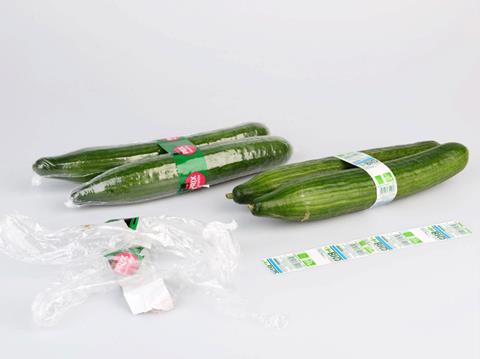
One of the strongest benefits of banding is its very low material consumption. A narrow paper or film band can replace larger packaging formats such as shrink film, plastic bags, cardboard sleeves or additional outer packaging.
This supports the PPWR’s general objective of reducing waste by minimizing unnecessary packaging. Instead of wrapping the whole product, a band is placed only where it is needed to bundle, secure, seal or label it. Companies can therefore reduce both packaging weight and waste volume without giving up important packaging functions.
A practical alternative to plastic
The PPWR will restrict certain single-use plastic packaging formats from 2030. This is especially relevant for some retail multipacks and packaging for fresh fruit and vegetables.
ATS-Tanner’s TruePaper band offers a paper-based alternative for suitable applications. It can replace plastic films or plastic bands while keeping products securely together. TruePaper contains either virgin fibres or more than 50 percent recycled fibres and can be recycled through the normal paper stream. It is also suitable for direct food contact.
This gives companies a practical way to reduce their dependence on plastic before further restrictions take effect.
Improved recyclability
Under the PPWR, packaging placed on the EU market will need to meet defined recyclability requirements. Simple packaging structures can make recycling easier.
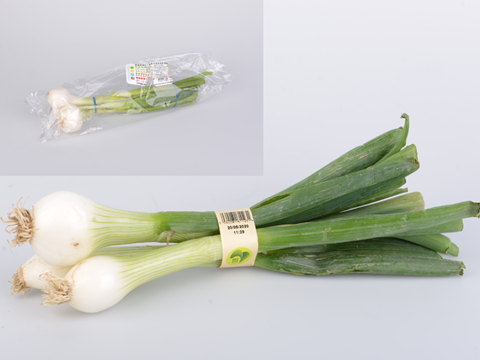
A paper band around an unpackaged product or a recyclable cardboard tray may be easier to separate and recycle than complex sleeves, laminates or multi-layer packaging.
However, PPWR compliance must always be assessed for the complete packaging configuration. ATS-Tanner can provide technical information, test reports and material declarations, while the final assessment depends on the product, banding material and application.
Recycled content for film applications
Paper is not suitable for every packaging process. Where plastic film remains necessary, recycled content becomes an important factor. The PPWR introduces minimum post-consumer recycled content requirements for plastic packaging.
ATS-Tanner offers PCR-based banding materials such as FTN PCR35, which already contains the recycled content required for relevant future applications. Combined with the low amount of material used in banding, this can help companies prepare their plastic packaging strategy for the new requirements.
Sustainability without losing efficiency
Banding does more than reduce materials. It can combine bundling, sealing, branding and labelling in one process. Product information, barcodes, dates and batch numbers can be printed directly onto the band, including just-in-time during production. This can remove the need for separate labels and additional packaging steps.
For companies preparing for the PPWR, ATS-Tanner banding offers a strong combination of material reduction, recyclability, automation and flexibility. By reviewing packaging applications early, businesses can reduce future regulatory risks while creating packaging that is efficient, attractive and easier to recycle.
This content was sponsored by ATS-Tanner.