




Emerging Technologies






Bower Collective and Kelpi unveil paper sachet for liquids with biobased coating
New plastic from University of Surrey transforms into gas when heated, reforms when cooled
Is chemical recycling economically viable? Key findings from new European Commission report
Can seaweed-based films replace plastic?
Aldi and Arla aim to boost milk bottle recycling rated with new collaboration
Can molded pulp finally challenge plastic?
AFYREN receives €3 million grant to upgrade biorefinery for biobased acids
Industry backs updated legislation supporting competitive EU biomanufacturing
Draft bill exempts compostables and biodegradables from PPWR’s SUP ban
- Previous
- Next
Emerging Technologies

Bower Collective and Kelpi unveil paper sachet for liquids with biobased coating
Kelpi and Bower Collective have launched a recyclable paper sachet for liquid products that uses a biobased coating made from renewably sourced seaweed.

New plastic from University of Surrey transforms into gas when heated, reforms when cooled
Researchers at the University of Surrey have revealed a new polymer which breaks down into a gas at 90 degrees Celsius and, when cooled, reforms into the original waterproof polymer with the same properties as before.
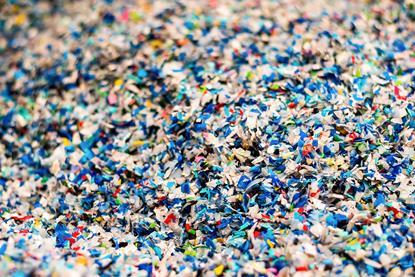
Is chemical recycling economically viable? Key findings from new European Commission report
In this edition of the Brief, we examine the European Commission’s recent report on the economic viability of chemical recycling, covering the main findings, conclusions and details such as technical considerations, regulatory context and potential policy support.
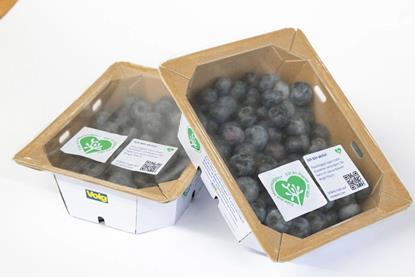
Can seaweed-based films replace plastic?
Noriware recently closed a €4.3M seed round in a bid to scale its seaweed-based transparent film. The company says that its product, Norifresh, has no chemical modifications, adhesives or coatings, can be directly heat-sealed onto cardboard, and is suitable for use on existing production lines. In this interview with Jessica Farda, Noriware’s co-founder and CEO, we learn more about the key functionalities of the solution, its origin story, and its potential to scale.
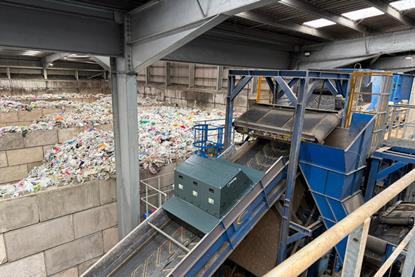
Aldi and Arla aim to boost milk bottle recycling rated with new collaboration
Aldi and Arla are working with Polytag on a project that will track milk bottles through the recycling process using UV-tagging technology.