



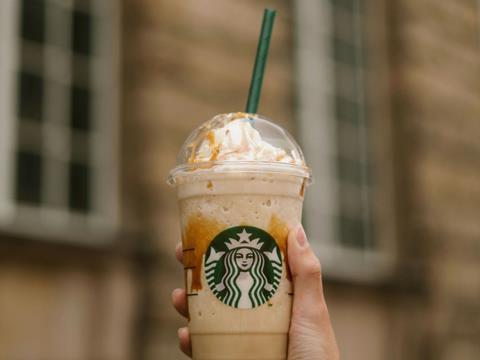
Starbucks has opened submissions for its global Innocentive challenge, searching for a transparent, plastic-free compostable material for single-use cold cups and lids.
Alongside the three core materials, proposed materials for the Starbucks Global Cold Cup Innovation Challenge must be suitable for food contact, rigid enough for a barista to apply a lid without crushing the cup, heat-tolerant enough to handle an espresso shot without deforming and completely tasteless and odourless. The cups must also be producible at a volume of at least hundreds of tonnes per year while using forming technologies that are already prevalent in industry (such as injection moulding, thermoforming or cup formers).
Innocentive is the open innovation element of Wazoku’s innovation eco-system. The challenge is open to individuals, organizations and solutions at Technology Readiness Levels 1-6, and a finished product is not required.
To receive an award, participants will be required to assign exclusive ownership rights to the IP in their solution - although in the case of an organization that already owns the IP in its proposal, Starbucks states it is willing to explore a collaboration agreement.
The challenge has a total prize award pool of $100,000 with which to award successful teams, researchers, start-ups, or enterprises. Winning solutions will then be taken through concept validation and prototyping in subsequent months, with the winners directly involved at each stage.
Submissions are open until 14th September 2026. Full details and the submission form are available at innocentive.com.
Last month Lydy revealed its ‘pocket-sized’ reusable lid intended for use with on-the-go coffee cups, made from recycled plastic and ‘tasteless’ food-grade silicone. Designed to be used on paper, ceramic and glass coffee cups, Lydy is considered to be BPA-free and safe to use in direct contact with hot beverages.
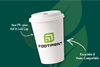
Also in July, Footprint acquired Transcend Packaging’s ‘PE-free’ hot and cold cup, lid and straw solution, designed to serve as a recyclable and home-compostable alternative to plastic-lined paper cups. The solution’s mineral-based coating is said to make it recyclable in existing waste streams without affecting its performance.
If you liked this story, you might also enjoy:
The ultimate guide to packaging innovation in 2026
Packaging and Packaging Waste Regulation: what to know in 2026
Everything you need to know about global packaging sustainability regulation











No comments yet