



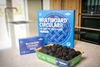
Avantium has signed a capacity reservation agreement with Klöckner Pentaplast (kp films) to explore the use of its plant-based polymer PEF (polyethylene furanoate), Releaf, in thermoformed food packaging applications, including food trays and other packaging designed to protect fresh and prepared foods.
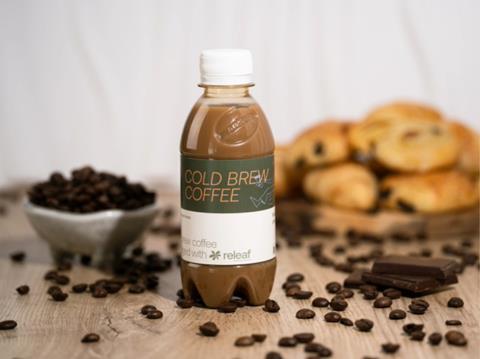
According to Avantium, Releaf is a high-performance plant-based polymer made from FDCA (furandicarboxylic acid) which helps to extend shelf life and reduce food waste for selected rigid packaging applications through its oxygen and carbon dioxide properties. Aiming to provide an alternative to conventional multi-layer trays that can be hard to recycle, its barrier properties are also being evaluated for use in flow-wrap packaging structures and flexible lidding films that require high barrier performance.
The agreement with KP supports access to future Releaf volumes from prospective industrial-scale plants (subject to the material meeting technical, regulatory and commercial requirements) due to be built and operated by licensees using Avantium’s technology. The agreement also facilitates ongoing evaluation activities and aligns with Avantium’s goal to establish a global network of licensed PEF production facilities.
Samuel Pardo, senior innovations manager at Klöckner Pentaplast, said: “Releaf combines renewable feedstock origins and barrier characteristics that make it an interesting option for evaluation in thermoformed food packaging applications. Through this agreement, we plan to continue assessing the material’s performance, processability and suitability as part of our broader innovation programme.”
At the start of this year, Avantium revealed that its FDCA Flagship Plant in Delfzijl, the Netherlands, was expected to complete start-up by mid-2026 and commence product sales under its existing offtake agreements in the second half of 2026. In the same month, the company entered a capacity reservation agreement with Packamama for future volumes of Releaf, aiming to combine the material with Packamama’s wine bottles, made from 100% recycled PET.
In related news, Traceless announced the first industrial production facility for its bio-based, home-compostable natural polymer technology in May, aiming to end dependence on fossil raw materials and build a circular bioeconomy in Europe. Traceless says its patented technology relies on a special extraction process that utilizes natural polymers from plant-based industry residues without modifying their natural chemical structure.
If you liked this story, you might also enjoy:
The ultimate guide to global packaging sustainability regulation in 2026
PPWR timeline: the key dates to know











No comments yet