




Asda’s latest ESG report states that almost 98% of its own-brand packaging is now recyclable, but acknowledges difficulties in sourcing high-quality plastic recyclate and keeping unpackaged products fresh as it pursues other targets.
According to the retailer, 97.6% of its own-brand packaging was recyclable in 2024. Specifically, 87.8% was thought to be recyclable at kerbside, while 9.7% was considered recyclable in large stores.
This brings the company closer to its target to achieve 100% recyclability across its own-label primary packaging by 2030.
Asda attributes its improvement in overall recyclability to a shift towards mono-material formats and more accurate classification due to better data quality on polymer types.
Another target was to achieve an average of 30% recycled content across its own-brand plastic packaging by 2025, which it has since revised to 35% recycled content across its primary plastic packaging for own-label products by 2030. As of last year, Asda had achieved 21.58% recycled content.
“Inflationary pressures and regulatory factors have affected availability and flow of high-quality recycled plastic,” the report reads, “limiting suppliers’ ability to sustain previous recycled content levels. This challenge is likely to persist through 2025 and beyond.
“Asda remains committed to working closely with suppliers to understand barriers and support progress toward recycled content goals.”
The company also aims to reduce 20% of its branded and own-brand primary food packaging per 1% of market share. Last year, it was down 3% from the revised baseline of 36,970 MT (updated in response to the market situation for 2025, including discounters and a revised market share of 12% in the base year of 2023).
It links the reduction to changes to sales volumes and packaging improvements like lightweighting initiatives.
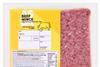
Among its specific developments was a transition into vacuum packaging for its Just Essentials beef mince lineup – a move expected to reduce packaging by 60% and eliminate 43 tonnes of plastic.
It was also believed to lower the pack’s size by 39%, unlocking further supply chain efficiencies while helping consumers optimize storage space. Additionally, the new format was thought to extend the product’s shelf life by up to nine days.
While similar transitions have proven to be controversial for other retailers, Asda says its vacuum-packed beef was successful enough to make similar switches for its own-brand beef and lamb mince in March 2025.
In another revision, it switched the packaging for its own-brand laundry capsules from a plastic tub to a cardboard box. As well as unlocking complete end-of-life recyclability, the change reportedly enabled the pack to be downsized ‘significantly’ into a ‘squarer’ shape.
As a result, it was said to take up less space in transit and keep 105 delivery trucks off the road annually.
Asda also highlights its efforts to lightweight its packaging. It names the examples of its Prosecco bottles, which are claimed to be 4.8% lighter and eliminate 26.5 tonnes of glass; and the plastic punnet for its 300g Tomatoes portions, in which a 1g weight saving per pack apparently led to a 16-tonne reduction in annual plastic consumption.
Yet the retailer acknowledges its less successful efforts, including its attempt to remove plastic wrap from its broccoli products. The trial was said to increase waste levels from 1% for wrapped broccoli to over 25% for the unwrapped alternative.
Nevertheless, Asda notes that packaging contributed to its reported 42% in product emissions throughout 2024.
“Our ESG report highlights how Asda delivers value beyond price,” commented Helen Selby, Asda’s General Counsel and Company secretary. “We’ve made progress towards reducing emissions, improving packaging recyclability, and supporting causes our customers care about.
“Our ambition is to continue to be a business that improves every day and provides ever better support to the communities we serve.”
If you liked this story, you might also enjoy:
The ultimate guide to the Packaging and Packaging Waste Regulation in 2025
How are the top brands progressing on packaging sustainability?
Everything you need to know about global packaging sustainability regulation in 2025
The key to increasing the use of reusable packaging in supermarkets











No comments yet