



In the latest edition of the Spotlight, Markem-Imaje outlines how its CoLOS® software platform automates 2D barcode generation and delivers accurate product data in real time, aiming to help brands and manufacturers adapt to upcoming changes to product identification and tracking.
By 2027, 2D barcodes are set to replace traditional barcodes as the global standard. These next-generation codes do a lot more than their predecessors: they can carry batch numbers, expiry dates, product origins, and direct links to digital content, giving everyone from factory managers to end consumers a richer, more transparent view of a product’s journey.
The push is coming from several directions at once: regulators are tightening traceability requirements, retailers want smarter tools to cut food waste and manage stock more efficiently, and consumers increasingly want to know what they’re buying, where it came from, and whether the brand behind it can be trusted.
The opportunity is real, but so are the challenges.
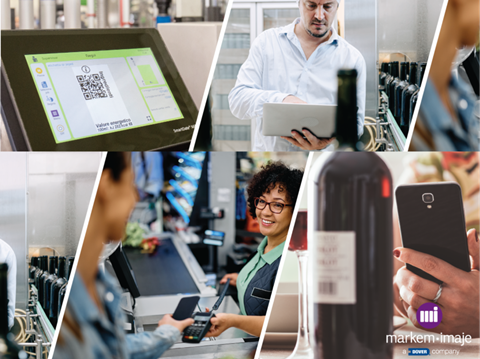
“GS1 Digital Link represents a fundamental shift in how products are identified across their entire lifecycle,” says Remy Fontanet, GS1 Digital Link Solution Expert at Markem-Imaje. “We’re moving from static identifiers to dynamic, data-rich experiences. The challenge for manufacturers isn’t just generating compliant 2D barcodes. It’s making sure the data behind them is accurate, connected, and actionable, from production all the way through to the consumer.”
Getting that right at scale is no small task. A code that doesn’t scan, carries wrong data, or fails a verification check doesn’t just cause a headache on the production line. It creates downstream problems across the entire supply chain.
Markem-Imaje’s answer is an end-to-end approach that treats coding as part of a connected system, not an isolated step. Their CoLOS® software platform links enterprise systems like ERP and MES directly to the production line, automating code generation and keeping product data accurate and up to date in real time. Inline verification ensures every code meets quality standards before it leaves the facility. This end‑to‑end software solution bridges physical manufacturing processes with digital systems, seamlessly connecting the production line to consumer engagement platforms.

In this short video, see how CoLOS® turns production data into GS1 Digital Link–ready QR codes.
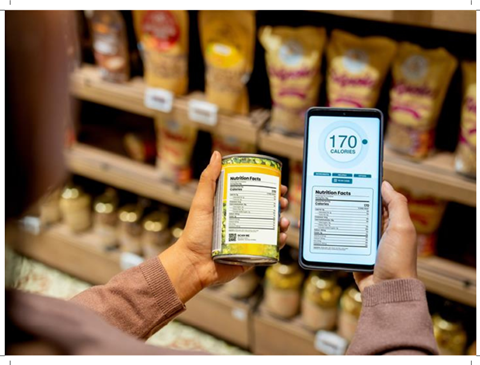
The practical benefits are already visible at the retail level. Embedding live data like expiry dates into Digital Link QR codes means retailers can better manage stock rotation, flag products nearing expiration, and take action before waste occurs.
But the potential goes well beyond compliance and logistics. For brands, every scan is an opportunity. QR codes can connect consumers to personalized landing pages with product stories, sustainability credentials, authentication tools, or promotions, turning packaging into a genuine communication channel.
As 2027 approaches, QR codes are evolving from a regulatory checkbox into a strategic tool. For Markem-Imaje, the goal is to make sure manufacturers are ready with the data infrastructure, production controls, and consumer-facing capabilities to make the most of it.
This content was sponsored by Markem-Imaje.