
International Paper considering sale of its European packaging division
International Paper is in discussions with prospective bidders regarding the potential sale of its EMEA packaging business. In a statement,
International Paper is in discussions with prospective bidders regarding the potential sale of its EMEA packaging business. In a statement,

Cazcabel Tequila has redesigned the bottle for its Blanco and Reposado tequilas, with the new 70cl bottle rolling out in
Ing. Alberto Castellanza, Director of Markets and Products Development at Novamont S.p.A., discusses the company’s ovenable ready

interpack 2026 returns to Messe Düsseldorf from 7th-13th May. Packaging Europe will report live from the show floor, giving you a real-time rundown of highlights from the industry’s biggest event.
This article will be updated throughout the week to bring you the latest news and commentary, exclusive interviews, and all the things you need to know about this year’s event.
Sappi’s perspective on interpack 2026
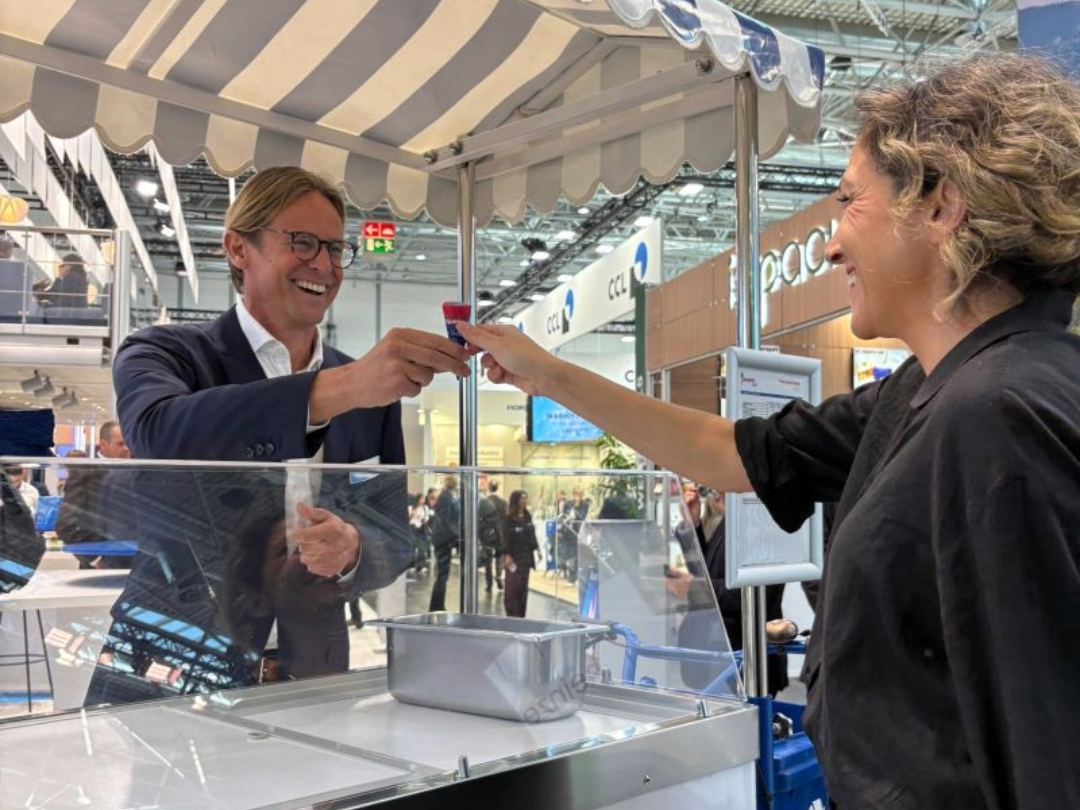
Flavio Froehli, vice president Marketing & Sales at Sappi, spoke to Packaging Europe about the products on display at its interpack booth and the broader takeaways from this year’s show.
What innovations is Sappi showcasing at this year’s event?
At the Sappi booth, we’ve been showcasing a broad portfolio of paper-based packaging and labelling solutions designed to help brands and converters navigate changing regulatory, performance and sustainability requirements. This includes high-barrier papers such as Guard Pro OHS and the new Guard Pro OMH for demanding food and confectionery applications, alongside Guard Duo Barrier Paper and Guard Twist solutions.
Importantly, we are not only showing the materials themselves, but also how they perform in real applications, including ice cream cone sleeves, chocolate and sweets packaging, tea packaging and other everyday packaging formats that demonstrate how recyclable paper-based solutions can work at-scale in demanding environments.
What are some of the most important talking points that you have been discussing with colleagues from the rest of the industry at interpack 2026?
One of the strongest themes at interpack has been the acceleration of decision-making around recyclability and PPWR readiness. The direction of travel is now clear, and many brand owners are moving from exploration into implementation. At the same time, conversations have become more practical and nuanced, focusing not only on material substitution, but on how packaging systems as a whole can deliver recyclability, product protection, operational efficiency and commercial viability together.
What are the benefits for Sappi of being at a show like interpack?
For Sappi, interpack is valuable because it brings together the full packaging value chain, from brand owners and converters to machinery suppliers and technical experts. It creates an important platform for collaboration and interaction: direct conversations, listening to the needs of our partners and customers, and gathering immediate feedback that strengthens collaboration.
What message would you like visitors to the Sappi stand to take away with them after their visit has concluded?
We would like visitors to leave the Sappi stand with the understanding that the transition towards recyclable, paper-based packaging is not something companies need to navigate alone. From brand owners to converters and other partners across the value chain, we are ready to support customers throughout the transition process with technical expertise, scalable solutions and practical collaboration that helps reduce complexity, manage risk and ensure packaging performs reliably in real production environments.
Syntegon shares vision of “factory of the future”
The packaging industry faces a range of challenges from rising cost pressures and labour shortages to stricter regulatory requirements and needs for increased flexibility both in the pharma and biotech as well as food sectors.
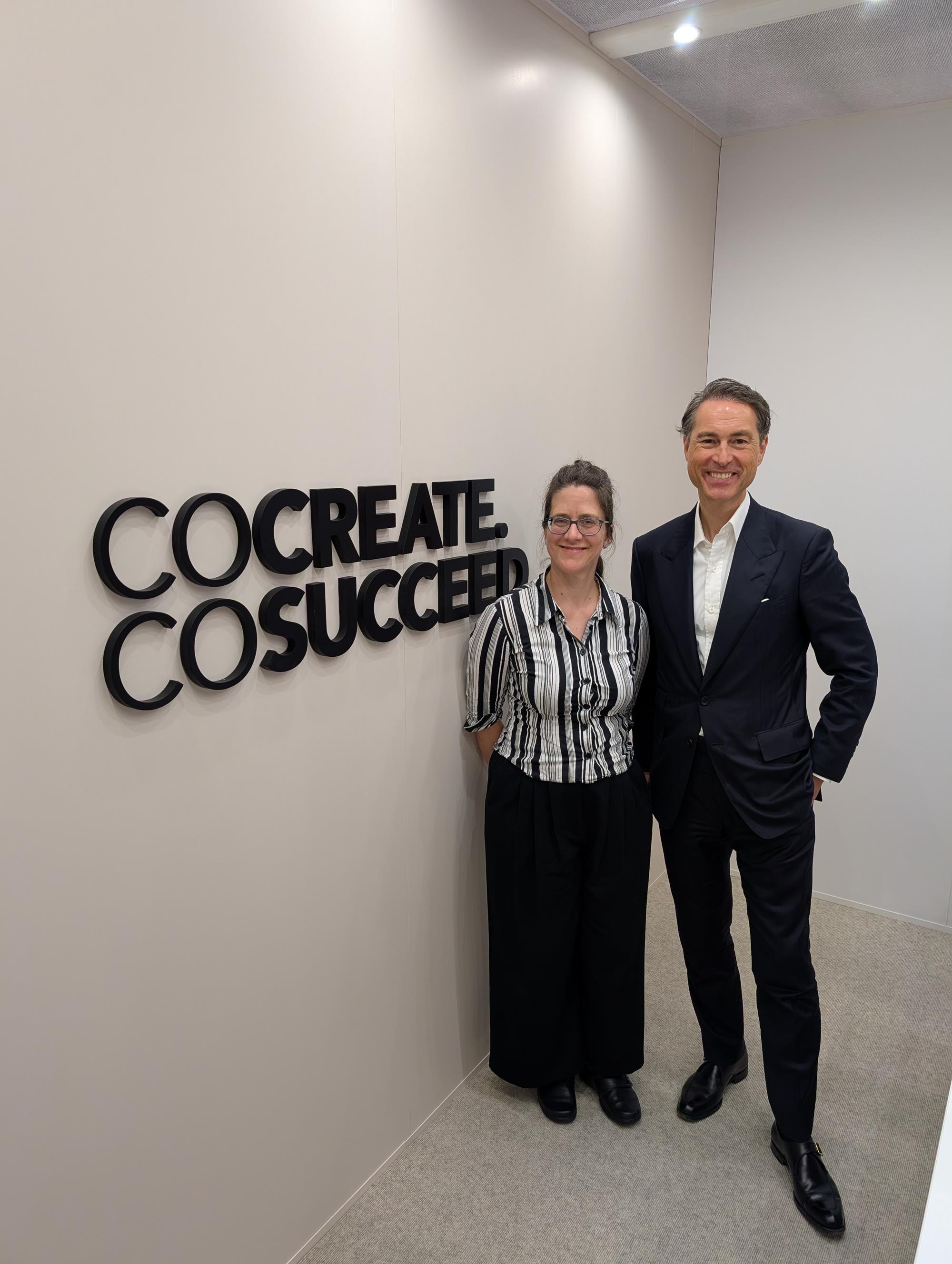
At interpack, in hall 6, booth A31-B31, Syntegon is presenting its vision for a factory of the future: self-regulating and able to adjust to various challenges, supervised by an AI-supported human control centre.
“At interpack, we demonstrate the power of our COCREATE and COSUCCEED concept. Game-changing innovations, jointly developed with pioneering customers, deliver greater business impact. Our innovation highlights, neXt and SVX, raise the bar in the food sector. For pharma operations, SynTiso sets a new standard as a first-of-its-kind high-speed gloveless liquid pharmaceutical filling line. Syntegon’s promise as a strategic lifecycle partner combines innovation leadership with best-in-class lifecycle services as the ultimate enabler for our customers’ growth,” says Torsten Türling, CEO of Syntegon.
At the event, we sat down with Torsten Türling to discuss the challenges the industry faces and ways to address them, the role of AI and the relevance of sustainability.
Packaging Europe: What are some of the challenges and pain points Syntegon’s customers currently face in the pharmaceutical packaging space and food packaging space respectively, and how can your solutions help?
Torsten Türling: The biggest nightmare for pharmaceutical companies, particularly in liquid pharmaceutical production, is compliance to the EU GMP Annex 1 which covers contamination risk. It’s not easy to comply to, and our SynTiso, jointly developed with two big pharma companies, addresses the challenge by removing any need for human interference with gloveless isolator technology and fully robotized operation, including a contactless container transport system.
In the area of food, the biggest challenge is a higher need for flexibility. The end consumer space is very dynamic with changing tastes, price fluctuations and new formulations, which requires much more frequent changeovers. That is why we developed technologies with our neXt and SVX solutions that are efficient when running but also offer simple changes and fast changeovers - two things that aren’t usually easy to combine.
PE: Could you talk more about the innovation process at Syntegon?
TT: We team up with customers that are advanced in their needs or in their thinking, and we combine this into something that neither party alone could have ever created. SynTiso, for example was based on key customers highlighting that they would like the operator to be disconnected from the machine, resulting in a completely touchless operation, which at the time didn’t exist on the market. It was the result of general, fundamental research and development, followed by co-creation and co-succeeding concepts when it came to developing the actual application.
PE: How do you balance challenges such as rising cost pressures, labour shortages and regulations with sustainability demands?
TT: Sustainability is a core pillar of our strategy, and has equal weight to the efficiency/speed and flexibility dimensions, and of course it’s also pushed by legislation. Our SVX vertical packaging line offers both speed and flexibility. It also allows the use of a 50% thinner film, which has a big impact on the materials used and the carbon footprint. Our sustainability strategy comprises of material consumption, material feeding technology and energy use. This is where Syntegon’s smart automation concept comes into play. We are mindful of our carbon footprint, what materials we use and where we source them from. We have ambitious, science-based targets, so we are looking for supply sources that are aligned with this.
The use of AI opens new doors in multiple dimensions, whether it’s the overall running of the machine, the flexibility to cover a range of demands as well as the sustainability dimension – AI can help with all of that. When you have real-time visual inspection, a huge amount of data is generated, and the machine is able to self-regulate, so it operates within the optimum bandwidth. Every time you leave the optimal bandwidth, there is a disruption in the process which is wasteful. I believe we are just at the beginning of the AI era, but we certainly want to be at the forefront of it.
PE: How do you envisage the factory floor of the future looking like?
TT: I believe we are on a path towards an autonomous factory, that more or less runs on its own with fewer operators, who would be mainly supervising the system remotely from a control centre, supported by powerful AI functionality. The algorithms would then be constantly self-regulating according to targets that are set in the system, for example, for efficiency, flexibility or sustainability or the best possible combination.
Discussing the move to 2D with Markem-Imaje

At interpack we caught up with Markem-Imaje’s Barthelemy Eric and Viktor Hermansson, and we discussed the benefits and potential of the transition from traditional 1D barcodes to 2D barcodes as part of the GS1 Sunrise 2027 project.
Packaging Europe: Could you give a quick run through of what Markem Imaje is showing at interpack?
Eric Barthelemy: We consider interpack the right place to engage with our customers and prospects on a big transformation in the market from 2027 – the transition from static coding to digital coding, which is a big cornerstone in our industry. The GS1 Sunrise 2027 initiative, transitioning to traditional 1D barcodes to 2D barcodes, is a significant step towards enhancing product identification, traceability and consumer engagement. Codes used to be printed, but the value that code was delivering to manufacturers, retailers and consumers was limited.
Now, this digital code will bring strong value to the customer. We’re introducing the new CoLOS® Version 7 at interpack, a software solution that can manage system set up as well as data and information integration along the supply chain. It’s also able to deliver on customer experience and customer engagement. For example, with a food product, you can add details such as information on contents, and retailers will know how well the product sells. The software is the backbone that drives this transition.
PE: Could you tell us more about the trends that pushed this innovation forward?
EB: After 50 years, we are moving to a new standard set by GS1, and I think we can all agree it was time for a change, which retailers have been driving due to its many benefits. It makes product recalls a lot easier by simply scanning a code. Just one click will give you the right information at the right time. Likewise, after the point of sale, when you open the fridge to check if your product is still ok to consume, you will scan the code and you will know.
Viktor Hermansson: The same code can deliver different message to different stakeholders. Instead of having four different QR codes, there is one code which can be read by everyone. The challenge is to create the code, to print the code, and to manage the data across the supply chain. Markem-Imaje is leading the way today, because we invested many years to prepare for this new journey.
PE: How does this tie in with printers?
EB: Depending on the technology considered for the line, printers might need an upgrade. This will depend on the printing capabilities. On the CIJ (continuous inkjet printer, printing capabilities may require multi-jet technology, as one jet is enough to print two lines, but not a code and more information. Markem-Imaje has owned the multi-jet technology for many years. For example, our Super Piezo inkjet technology (SPI) embeds up to 64 jets in one print heads, and we can print up to 20 meters per second.
PE: How do you see the industry developing in the coming years?
EB: New regulation will become even more important. There are new requirements around data transparency and sustainable sourcing. Consumers want to know more about a product and the processes behind it. A lot of trends are coming from consumer behaviour. This will force the industry to have better data management in general. In the future, there will certainly be hardware improvements, but there will be a growing focus on software and connectivity, on data accessibility, not just for the brand manufacturers but also their suppliers, as they need access to all this data to share with the consumer. There’s the Digital Product Passport, the Food Safety Modernization Act (FSMA) in the US, which is related to traceability, the PPWR in the EU, which is related to new substrates and packaging material. This requires new technology that moves some of the on-pack information into a digital format.
VH: We think the 2D code transition will also shift a range of legacy operational processes to a digital business environment. A lot of helpdesk and on-site training needs can be transformed with the new technology that is available. Troubleshooting, for example, is becoming a lot easier with all the information at your fingertips. We have invested heavily in recent years and now are able to offer a unique portfolio of virtual services.
A look at the past, present and future of packaging with Sidel’s CEO
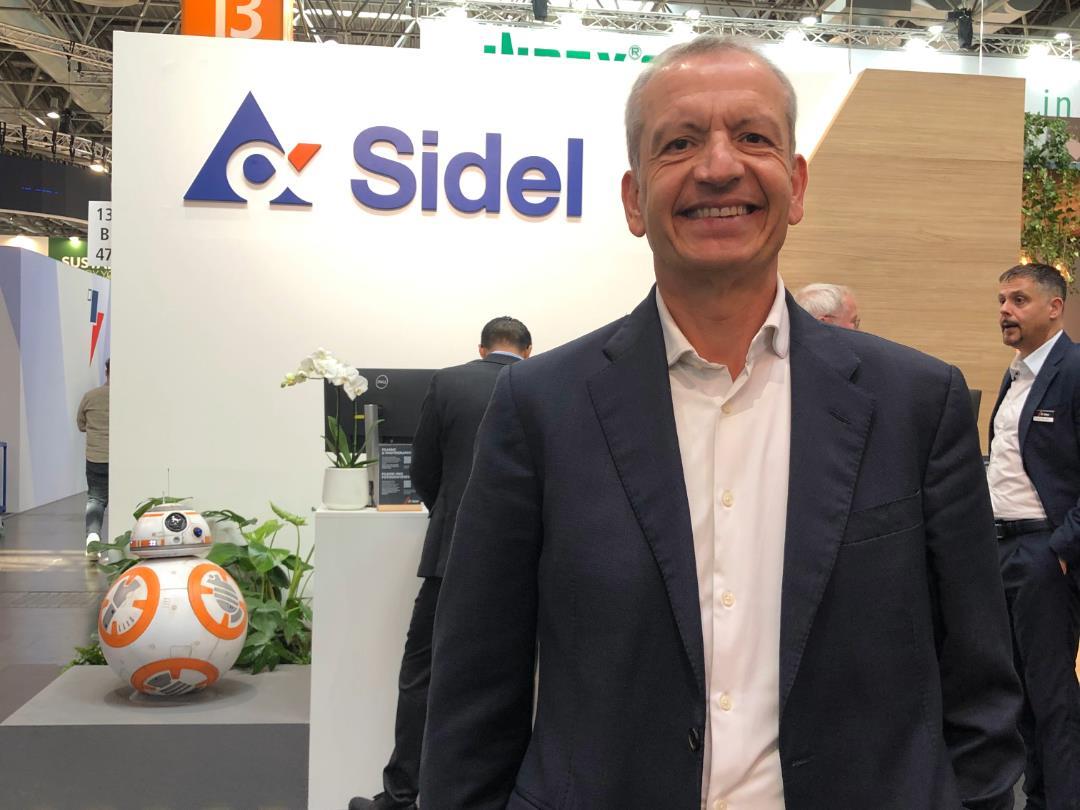
Pietro Cassani, President and CEO of Sidel, has been attending interpack for almost 20 years. “A long time… and a lot of progression”, is how he summarised this experience when we interviewed him at Sidel’s extensive stand earlier today.
But what about this year’s event in particular? Cassani highlighted a number of emerging trends on show, including particularly strong improvements in automation, artificial intelligence, and robotics. Besides the already-famous robotic dog, Cassani highlighted the potential impact of humanoid robots – “they are not just marketing”, he told us.
Sidel has already developed a number of AI tools in-house, with the aim of harnessing its culture and experience to ensure that its lines are as efficient as possible.
Another theme Cassani highlighted in his conversation with us was “concentration”, saying: “you can’t just sell one machine, you have to think in terms of entire lines for packaging applications.” Designing, filling, labelling, palletizing, packing is a “line concept – this is where we’re improving.”
On the topic of sustainability, Cassani was clear: “new technology drives sustainability”. He showed us a Sidel solution that uses a laser to heat PET bottle preforms, as opposed to the standard OM (orientation moulding) method. As a result, the bottle is reported to be lighter and easier to handle, with the aim of reducing waste and improving efficiency and recyclability all at once.
PET, Cassani says, is a “noble material – in reality the most sustainable material.” He went on to demonstrate a technology that allows the lightweighting of PET bottles whilst guarding against porosity and oxidation by incorporating an ultra-thin barrier layer that has no effect on the recycling process.
All-new picking and palletizing technologies were also on display at Sidel’s stand – Cassani demonstrated the former to Packaging Europe himself. The Cermex RoboSELEX is a collating system designed for case packers that aims to ensure a smooth, continuous product flow while processing 320 products per minute.
What a trip to a football match taught us about sustainability
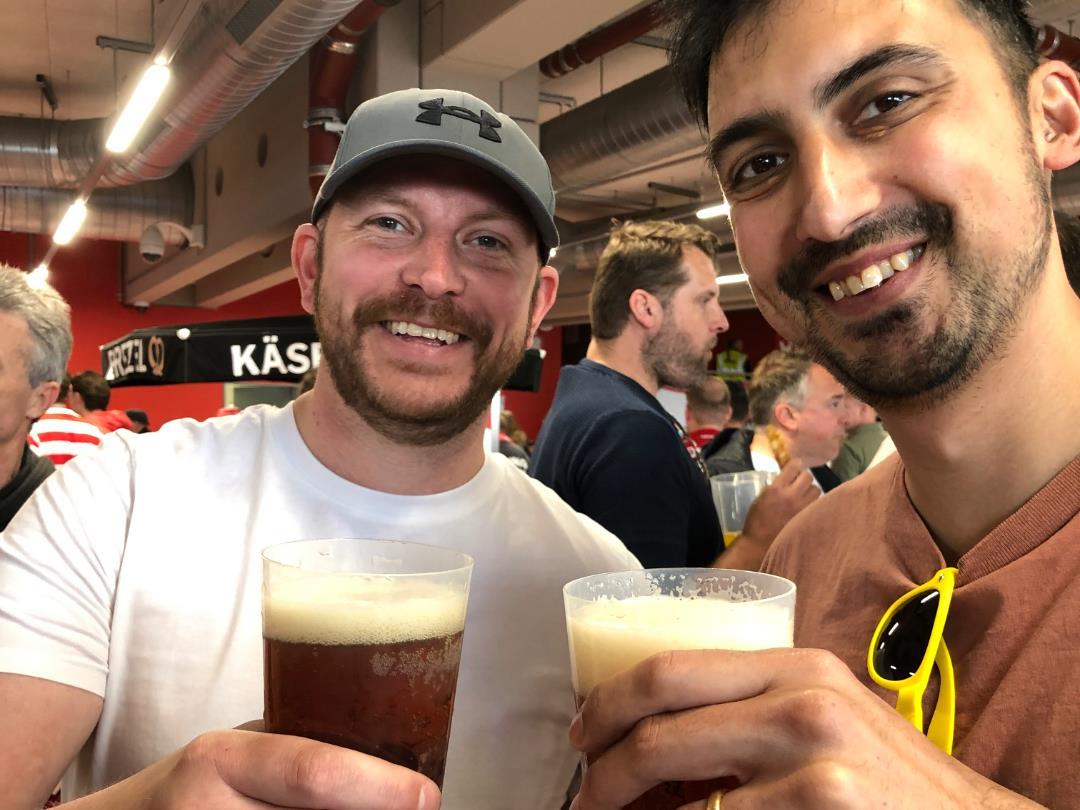
Throughout interpack 2026, we’ve spoken at length about sustainability in a theoretical sense – yesterday we experienced sustainability in practice.
Members of our team attended a football match at the Merkur Spiel-Arena – the stadium right next door to Düsseldorf Messe, where interpack is taking place.
Although we always focus on highlighting European perspectives on packaging-related issues, Packaging Europe is based in the UK – where beverage packaging systems at football matches still largely work in an old-fashioned, linear model, and the drinking of alcohol in the stands is strictly prohibited.
This is emphatically not the case in Düsseldorf. Beverages at the Merkur Spiel are served in returnable cups, and beer especially is consumed in abundance – without, it must be said, any of the “rowdiness” that could perhaps ensue if the same policies were adopted in the UK.
When you purchase a beverage at the Merkur Spiel, you pay a €1 euro deposit (also known as a Pfand). Then, after the match has ended, you return your reusable cup and are refunded your deposit. We noticed a number of entrepreneurial younger fans collecting cups – and therefore the eventual deposit fees – after the match. A great source of pocket money!
The team we watched on Sunday, Fortuna Düsseldorf, is owned by its fans. This, like deposit return schemes, is something that is overwhelmingly common in German football, but seldom seen in the British game – where many clubs are owned by capricious private equity groups, state-backed wealth funds, or erratic billionaires with controversial reputations.
As the Packaging Europe team left Fortuna’s stadium in warm evening sunshine, surrounded by delighted fans who had just witnessed the team they own win a crucial match, it was hard to not feel envious – both of the football club itself, and its packaging infrastructure.
A chat with Uflex’s Apoorvshree Chaturvedi

Packaging Europe visited Uflex Ltd’s booth at at Hall 10, D08..D20 where the company was showcasing its next-generation packaging films, including high-barrier metallized and transparent films, biodegradables, advanced coated materials and thin-gauge innovations aiming to ’enable recyclability, efficiency, and substrate optimization at scale.
We spoke briefly with Apoorvshree Chaturvedi, Director – Global Operations, about the company’s product offering and just some of the issues facing Europe’s supply chain.
PE: Could you tell us what you’re showcasing at interpack this year?
AC: Obviously the main burden for the film industry in Europe is the incoming PPWR regulation. To meet this we have our PP portfolio with the full suite of products. And of course, since we’re a large PET film producer we’re also showcasing our PET products.
But alongside that, we have a range of recycled products made from multilayer packaging (MLP) waste. In Poland, we’ve set up an MLP recycling line next to our PET film factory, using waste from converters in Europe. From this, we produce injection mouldable products that can be run on injection moulding machines.
PE: What are the challenges to overcome when it comes to using these recycled materials?
AC: While waste materials are injection mouldable, quality is going to vary from application to application, so it’s not the case that you can simply use MLP waste to make a product. You have to blend – so you can maybe use 70% of our resin, 30% of your virgin PE or PP and blend it to get the characteristics that you want for your product. We’re showcasing this at the front of our booth because we want to show people that, with the way the PPWR is structured today, there are still technical obstacles to moving to 100% mono-materials.
PE: What about the possibilities for chemical recycling of circular flexibles?
AC: I think Europe is warming towards chemical recycling as opposed to traditional mechanical because the narrative is you can take the waste, break down into its constituent monomer and then make it back into a polymer which sounds very attractive.
The problem is that today, with the way the PPWR is structured, someone may read the definitions and they’ll say, ‘this is not recycling, this is downcycling’, because you’re taking packaging waste and making a different product from it. What Europe wants is one to one: they want flexible packaging waste to be picked up, collected, sorted and recycled back into packaging. No-one is yet doing that for flexibles in the same way.
Any polyethylenes that have been converted into even a reasonably sophisticated packaging product are not being collected and recycled back into virgin PE, which is then being extruded back into a PE film.
We as a company have been demonstrating what is possible with mechanical recycling. We are not telling the European community that this is the only way to go – chemical recycling can also be the route, but for this I think, in an ideal world, one of the large chemical majors would set up an independent cracker somewhere in Europe.
Today, when you buy a polyolefin resin that is supposedly PCR, you’re getting a certificate from the producer that this is your virgin polypropylene material, and this is a certificate. But we don’t know whether that waste was actually used to produce pyrolysis oil and was then converted into a polymer – it could have been used for a different application in the refinery that supports the overall production but is not necessarily a direct replacement.
And it’s our contention that that if that’s the standard that is being asked of PET and nylon-based crackers today, then it should be one-to-one.
What’s new at Greiner?

The last time we caught up with Jörg Sabo, Global Director Marketing & Innovation at Greiner Packaging, was at Fachpack 2025. So, when we met him again at interpack 2026, our first question was a simple one: what has changed for Greiner since then?
The company has launched a number of innovative new solutions in the past few months, including CUBO – a new square-shaped container format designed to boost space-efficiency and stability in transit.
Next, the Click In Sealing Lid was demonstrated to us – a closure solution that replaces three or four-part closure systems with a two-part, mono-material alternative.
We were also treated to an exciting preview of next week’s Eurovision Song Contest. At the special 70thedition of the event in Austria, Greiner will team up with Borouge, OMV and Altstoff Recycling Austria to facilitate a reuse scheme comprising 100,000 reusable cups each made from 100% recycled plastic.
IMA Group at interpack: Immersive ’cognitive manufacturing’ experience
We visited IMA Group’s stand at interpack2026 – actually the ENTIRE Hall 17 transformed into a ‘cognitive manufacturing’ experience with more than 38 machines in live motion, showcasing the ways in which intelligent technologies and humans can work together to create seamless workflows. On show were many new machines from IMA’s pharma, medical device assembly, food, e-commerce and personal care divisions.
We were, however, particularly enchanted by the robot ‘dog’ display at ‘The Loop’, the group’s immersive innovation space. We thoroughly recommend you come by and experience this for yourself during your visit to the show.
IWK premieres horizontal cartoning platform
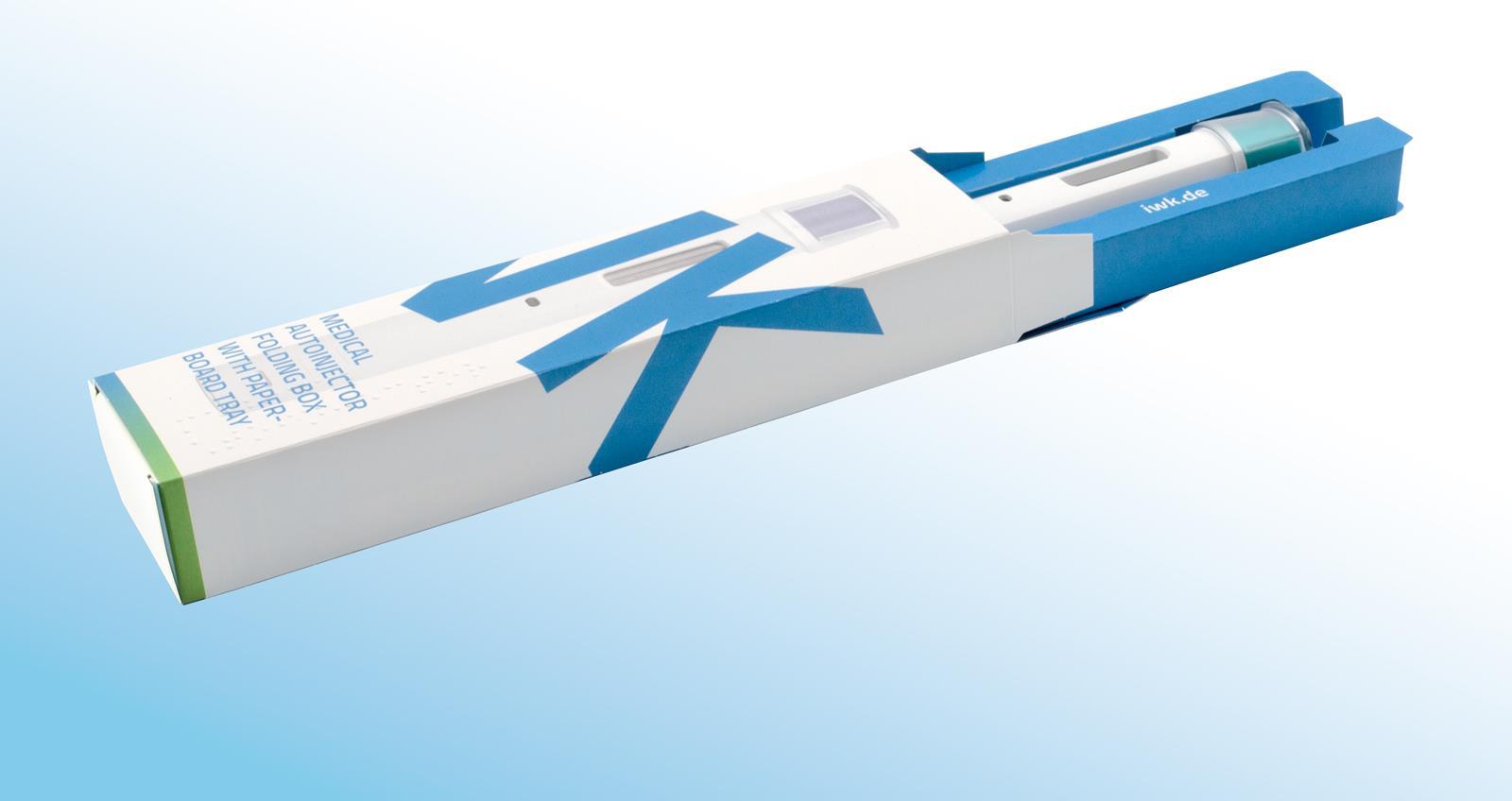
In Hall 15, Booth C20, IWK Verpackungstechnik GmbH is showing three fully live-producing machine lines for the entire process chain from packaging development through safe filling and sealing to shelf‑ready solutions with end‑of‑line technologies for the pharmaceutical and cosmetics industries.
In the field of secondary packaging, IWK has presented for the first time at interpack the latest‑generation horizontal cartoning platform. At the show, the CH4 cartoner will package injection pens into sturdy cardboard trays that are automatically inserted into folding cartons.
A servo drive recuperation system reportedly significantly reduces energy consumption by up to 21%. The linear process layout allows for fast, reproducible, tool‑free format changes. Thanks to its modular design, the platform is suitable for a wide range of applications in pharmaceuticals, cosmetics, and non‑food.
IWK is also showcasing its tube filling technology. Tubes are sealed using ultrasonic technology. High‑frequency mechanical vibrations generate the required heat directly within the material, allowing the sealing surfaces to be welded locally and with exceptional control. This reportedly makes the process highly energy‑efficient
Addressing the challenges of the EU Packaging and Packaging Waste Regulation (PPWR), IKW’s card‑to‑card material variability of the CABLIblue 870 system produces robust, full‑cardboard blisters entirely without single‑use plastics.
At interpack, the machine processes four different fiber‑based materials – virgin material, recycled fiber, grass fiber, and Silphium – simultaneously within an integrated forming and sealing process, reportedly a world first. IWK engineers will showcase how high‑quality full‑cardboard blisters can be manufactured efficiently, resource‑savingly, and with stable processes even under new regulatory conditions.
A preview of TNA Solution’s tna robag® Quantum
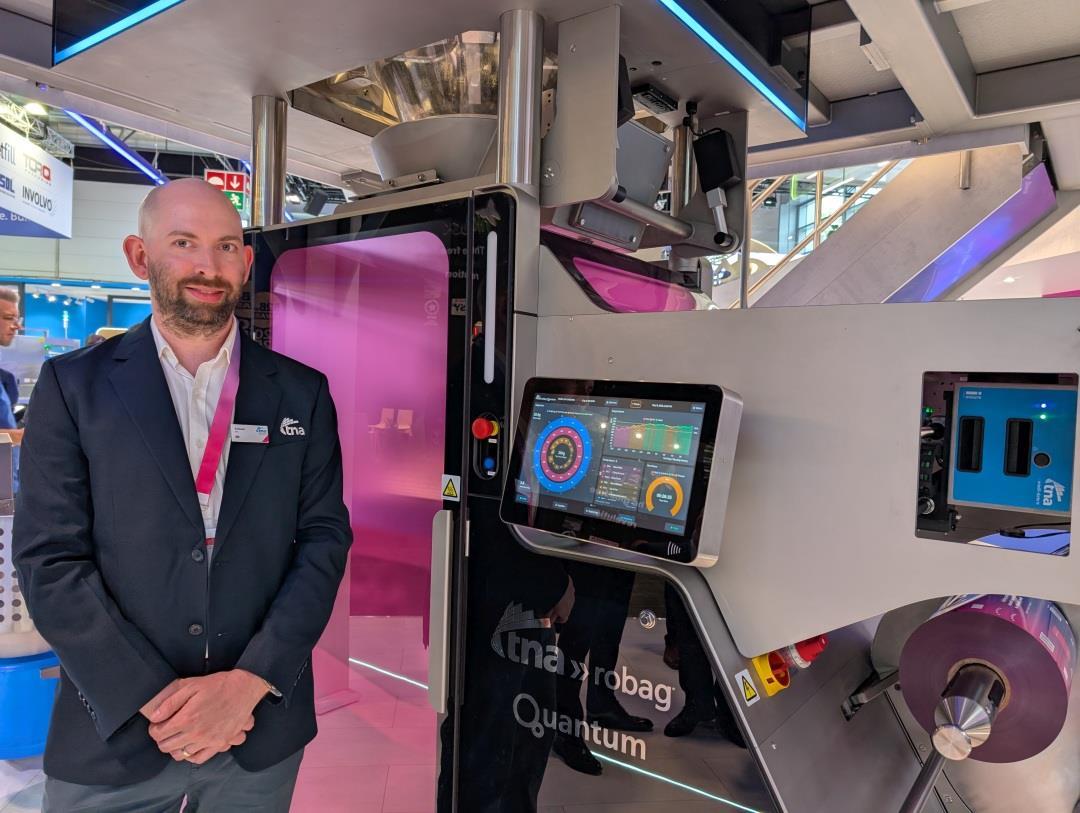
The latest iteration of the tna robag platform® is described as further raising the bar in VFFS (Vertical Form Fill Seal) packaging. Simon Hill, Group Product Innovation Manager at TNA Solutions and Darren Alchin, Packaging Engineering Manager at the company, gave us a tour of the machine.
Labour shortages, rising costs and increasing product variety continue to reshape snack production, which puts manufacturers are under pressure to do more with less. The growth of smaller bag sizes and multipacks is adding to that challenge, increasing the number of packs that need to be formed, filled and moved often without additional labour or factory space.
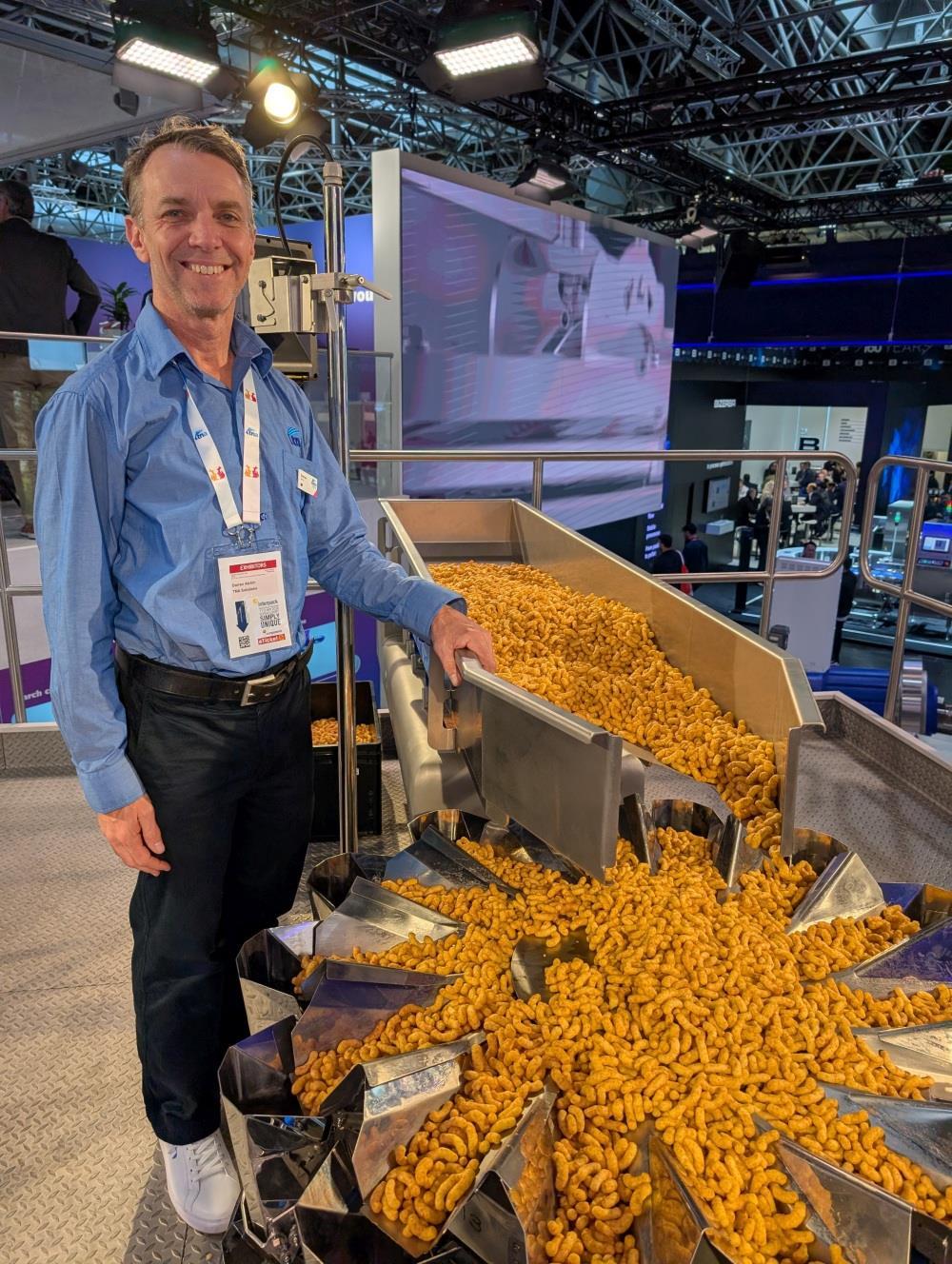
The tna robag® Quantum has been developed to address these pressures with a different approach to capacity. Rather than adding more bagmakers to increase output, it is designed to deliver higher output per tube (up to 300 bags per minute, subject to bag, film and product type), helping manufacturers reduce the number of machines required for the same production target and create a more manageable overall line configuration.
By reducing the amount of associated infeed and outfeed equipment, manufacturers reportedly can also lower maintenance demands, cleaning requirements and total line complexity. The tna robag® Quantum is designed to perform as part of a complete line.
Simon Hill, Group Product Innovation Manager at TNA Solutions, explained: “With the tna robag® Quantum, we are helping producers rethink high-capacity packaging by increasing output per tube rather than simply adding more machines. The result is a simpler, more efficient line that supports higher OEE, lower waste and faster routes to profitability.”
You can see the tna robag® Quantum live at the TNA Solutions stand at interpack in Hall 14, Stands C56 & D56.
A conversation with UNITED CAPS CEO Benoît Henckes
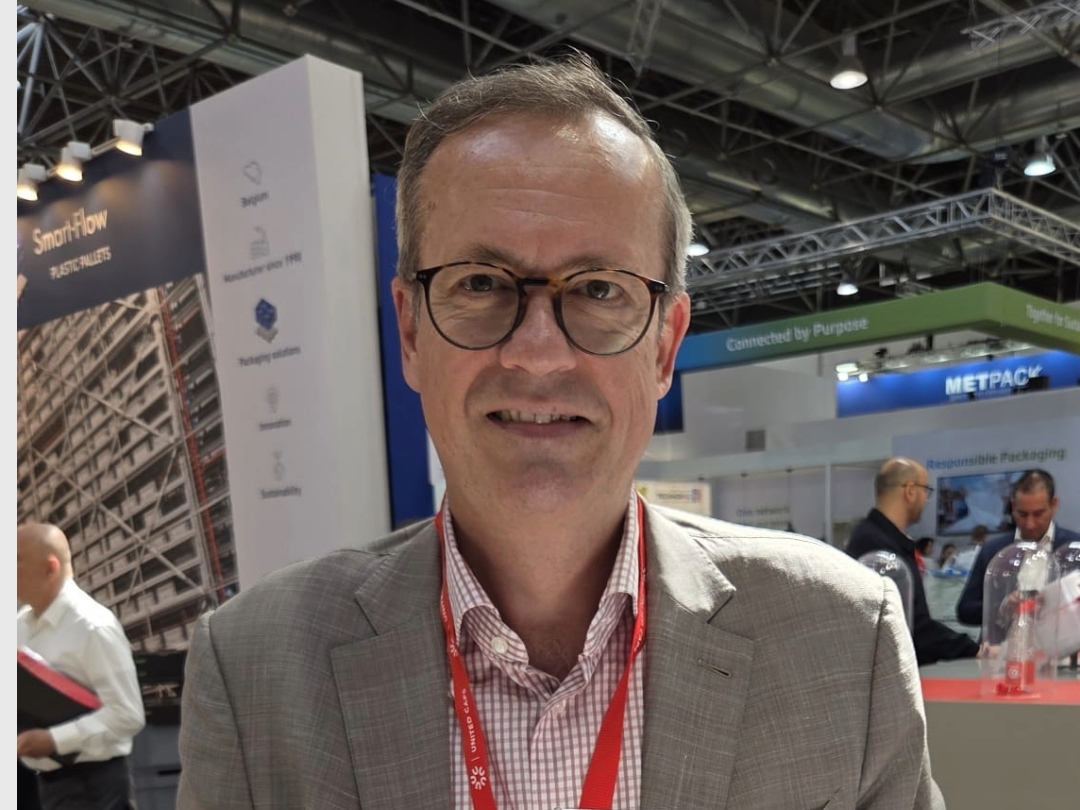
UNITED CAPS CEO Benoît Henckes walked us through the company’s closure lineup for a broad range of customers, from simple and cost-effective solutions to added-value products.
Among them are flip-on caps for edible oils, featuring an attached tamper-evident band; new closures for carton packs, compatible with SIG’s aluminium-free developments; and a wide lid designed to avoid skin contact in scooping applications.
Visit UNITED CAPS in Hall 10, Booth D67 to see the full range.
Henckes also underlined ongoing trends in making closures more sustainable, such as lightweighting components, tethering small parts without sacrificing their functionality, and lowering carbon footprints to unlock brand loyalty.
He also noted that regulatory clarity around the PPWR and the 2030 deadlines will be important to support long-term investment decisions and meaningful progress toward circular packaging goals.
Focus on automation, digitization, efficiency and sustainability at MULTIVAC Group
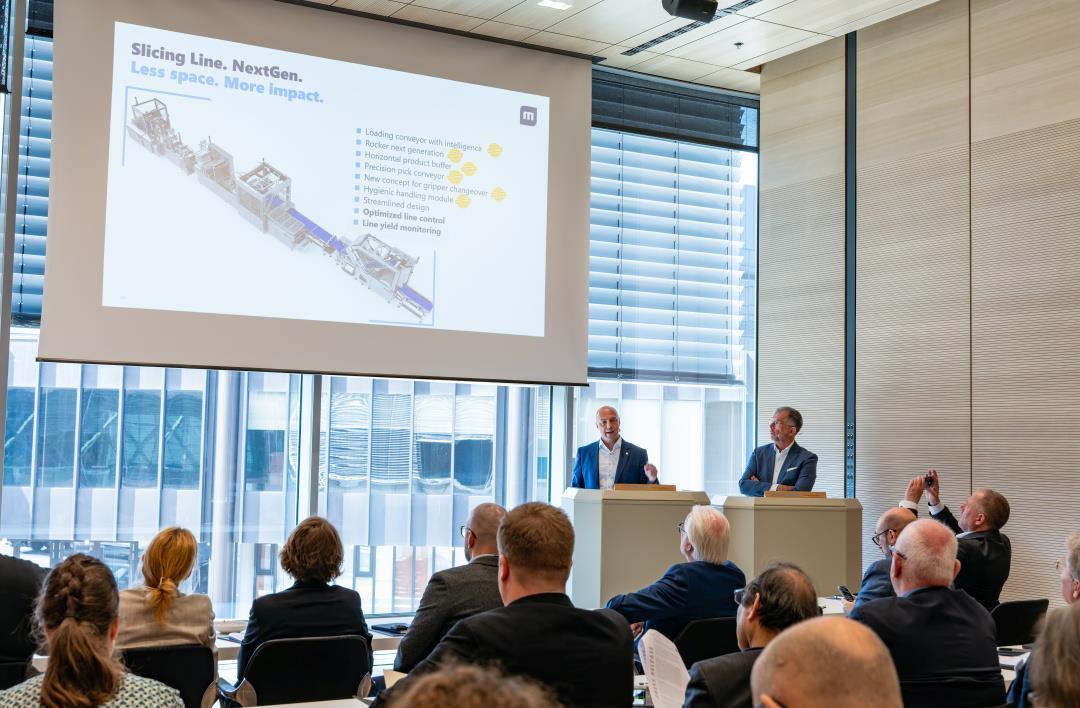
At MULTIVAC’s press conference, a common theme at interpack, efficiency in a challenging market environment, was continued.
Christian Traumann (CEO) and Dr Tobias Richter (CSO) shared insights into the development of the business and the company’s strategic focus. Exhibiting under the motto “Think connected. Make it smarter“, MULTIVAC is presenting a range of networked solutions for the food industry (Hall 5, A23), as well as health packaging concepts for the medical and pharmaceutical sectors (Hall 16, A38).
“Against the background of rising energy prices, shortages of personnel and fragile supply chains, we see automation and digital solutions as the crucial drivers of growth for our customers – and for us,“ said Christian Traumann.
The focus at interpack is on digitally networked and integrated processing and packaging solutions. The aim is to make production data usable in real time, as well as to control processes intelligently and reduce the consumption of energy and materials sustainably.
Our customers are under growing pressure to make their processes more efficient, more flexible, and at the same time more reliable. Thanks to intelligently networked solutions, we are supporting them in reducing manual intervention, stabilising their processes, and creating data-based transparency throughout their entire production,” said Dr Tobias Richter.
One example of this on the main stand is the slicing line NextGen, a compact slicing and packaging line, which is reportedly characterised by its minimal space requirement, systematic yield monitoring and high hygiene.
In addition to this, MULTIVAC is also showing its AI-supported traysealer line.
“Thanks to our AI-supported packaging solution, different products can be processed in parallel from several infeed streams, so that existing capacity can be used to its optimum. An intelligent product identification system, combined with smart print & apply labelling, ensures that continuous process reliability is achieved. This enables the line to provide not only the highest level of flexibility, but also measurable benefits in terms of productivity and efficiency,” said Dr Tobias Richter.
Another focus of the company’s presence at the trade fair is Smart Packaging.
“Regulatory requirements such as the PPWR are fundamentally changing the packaging sector. It is for this reason that we see Smart Packaging as an all-encompassing approach – from packaging consultancy through to material selection and right up to machine capability and processes,” he added in summary.
SOMIC presents carton machine lines, cobot and more
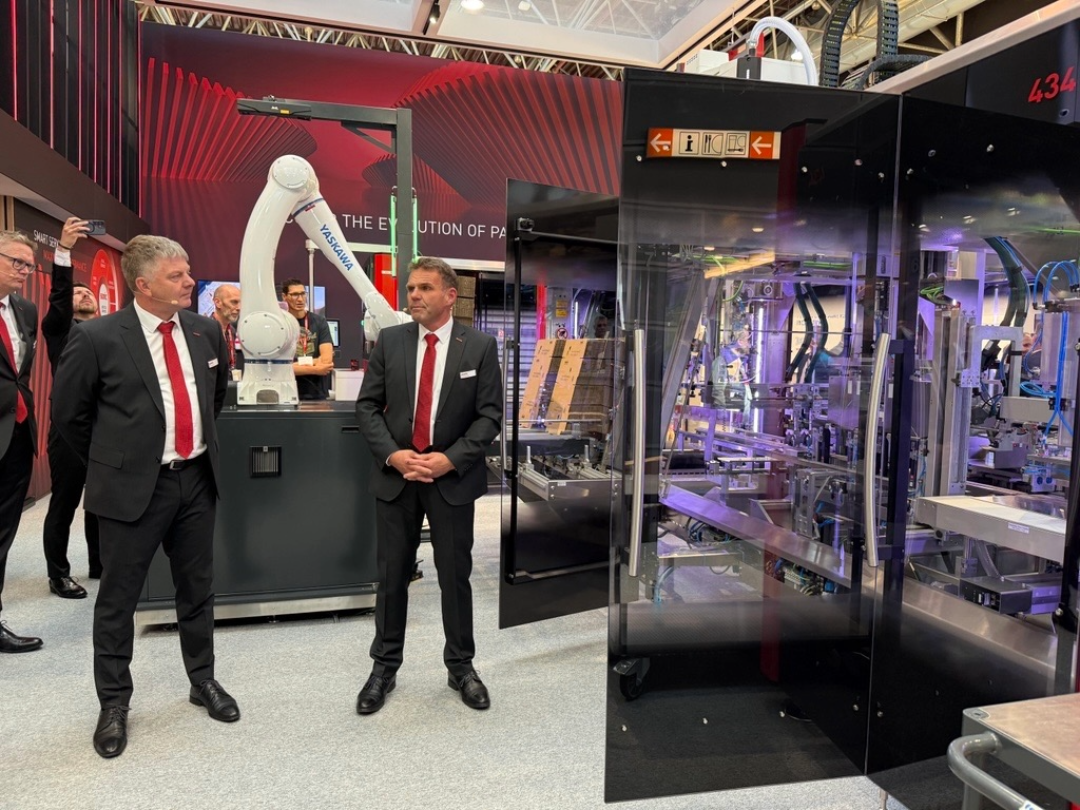
Packaging Europe attended a press event at SOMIC’s interpack stand, led by director of Systems Engineering Josef Bliemel; Ralf Jaeckel, director of Sales Europe; project manager Dominik Schmied; head of R&D Software Christoph Kögel; and Philippe Barm, director of Global Accounts.
One highlight was Somic’s flagship product: the modular cartoning machine SOMIC 434. Suitable for tray, wraparound and tray/cover carton varieties, the machine produces single-part or multi-component packaging made from corrugated or solid board in various thicknesses
It also addresses customer accessibility with a higher frame for walk-in maintenance, and assists non-specialist operators with semi-automated format-change capabilities.
To view the rest of its lineup – including its entry-level SOMIC 202 machine for one-piece cartons, SOMIC 232 for mid-range speed applications, and CoboLoad cobot for automated and autonomous carton blank loading – visit SOMIC in Hall 14 at Stand A02.
Schubert Group unveils new TLM machine generation
We visited Schubert Group’s stand (Hall 14/D01) to witness the big unveil of its new TLM machine generation, described as a “more powerful, more intelligent” system with “built-in flexibility”.
At interpack, the new platform was presented live for the first time as a flowpacker for biscuits in tubular bags. It features a significantly stiffer frame to ensure greater power density on the same area. Further developed pick-and-place tools and a modular scanner system were also added, which, as we were told, means that the machine can handle up to 800 biscuits per minute.
An interpack scoop! Mettler-Toledo shared with Packaging Europe the revolutionary X56 DXD+, a groundbreaking dual energy photon counting x-ray system, capable of detecting hard to find, low-density contaminants. The machine, featuring AI capabilities, detects problematic substances such as rubber, plastics and bones with limited calcification, which were previously hard to detect in packages containing dense and overlapping food products using existing technologies, and is the first to bring advanced dual energy photon counting tech to medium/large sized products on single lanes or smaller packages running across multiple lanes.
Chris Plant, head of market management for Mettler-Toledo Safeline x-rays, commented: “The X56 DXD+ delivers new levels of detection performance in complex packages - helping customers inspect every product with confidence, protecting productivity and brand reputation.”
Watch out for the full story, brought exclusively by Packaging Europe, in the coming days.
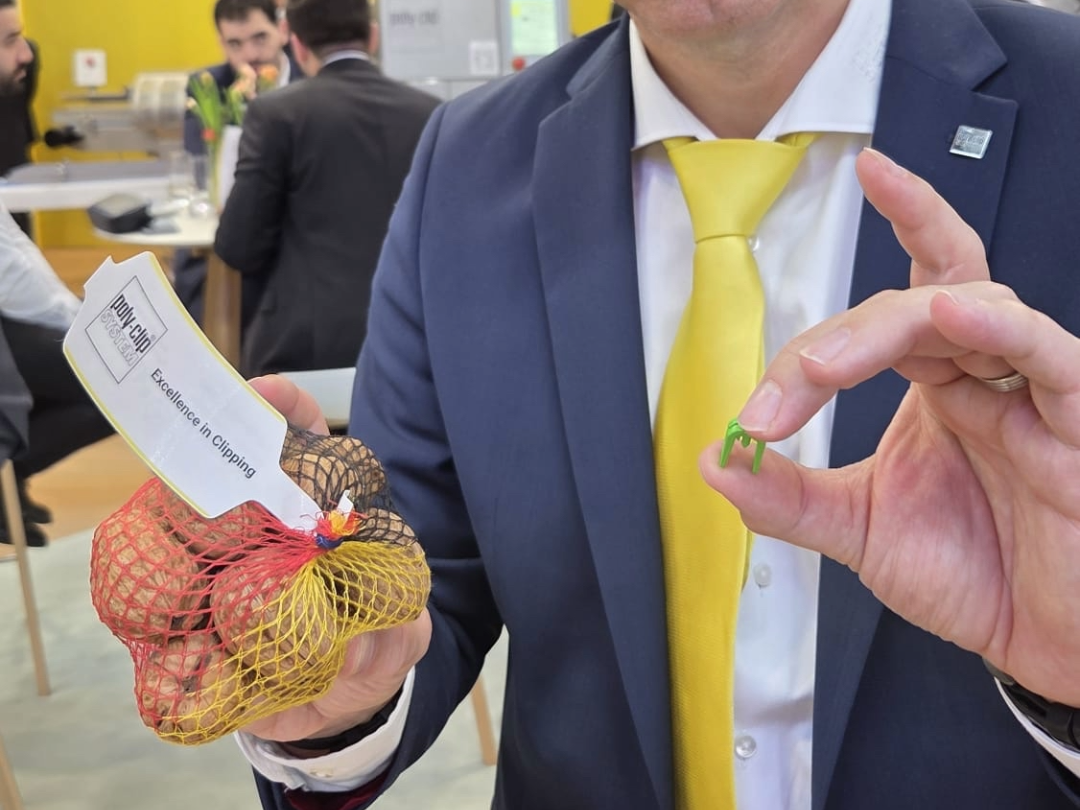
Clipping wrappers and nets closed with Poly-Clip
Stopping by Poly-Clip’s stand, Packaging Europe heard from president and CEO Dr Alexander Giehl about its interpack showcase. The highlight was a soon-to-launch biodegradable alternative to conventional net bags, comprising a PLA clip with a cellulose net and label.
The packaging itself is expected to benefit countries with less developed recycling infrastructure by breaking down in the natural environment. Meanwhile, the clipping process is entirely mechanical – no heat or energy required – and is designed to integrate seamlessly into existing production processes.
Other products on display include clip-pak: an aluminium clip to close plastic wrappers to sausages, soup and more. This solution is anticipated to reduce material consumption by 82% and emissions by at least 65%, all while improving recyclability by 14%.
To see more, visit Poly-Clip in Hall 11, Booth E19.
Actega showcasing its ‘groundbreaking’ coating, inks and adhesive solutions
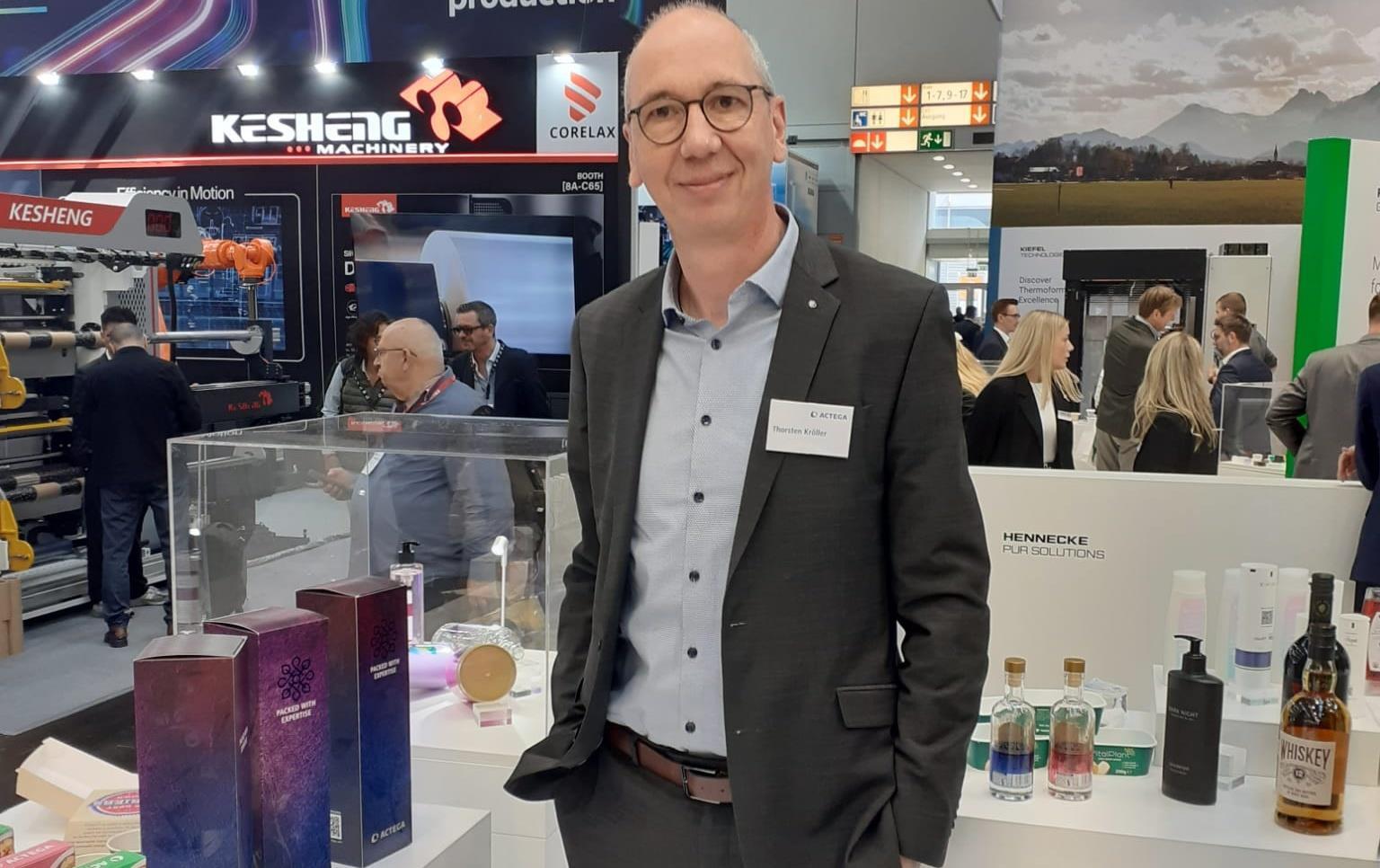
We spoke with Thorsten Kroeller, President of Actega, manufacturer of specialty coatings, inks, adhesives and sealing compounds for the print and packaging industry. He shared his insights on how the company is working to help its customers meet their regulatory obligations through solutions such as ECOLEAF® technology, a ‘new standard’ in label metallization that merges premium embellishments with responsible production; and the ACTGreen® barrier coatings range which comprise advanced water-based barrier coatings and next-generation thermoplastic elastomer (TPE) dispersions.
Thorsten Kroeller: “We are always a step ahead of anticipating how regulations change and incorporating that into our products and solutions in order to help our customers.”
Yangi presents dry forming technology in fibre-based trays
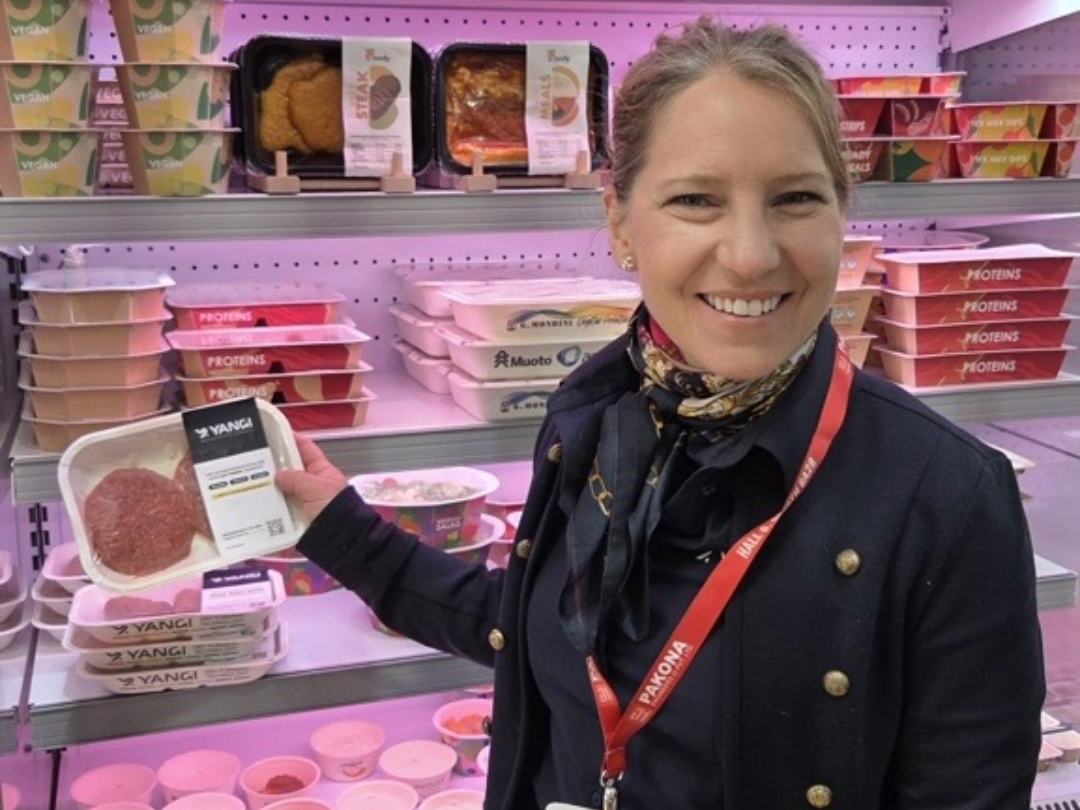
Kicking off the first day, Packaging Europe spoke with Yangi about its dry forming technology for fibre-based packaging. Its machinery can thermoform various packaging shapes, including round edges – and, using dual-drum technology with airlaid formation, switch between different fibre densities to manufacture outer packaging, protective pads, and more.
Anna Altner, founder and EVP of Commercial & Customer Success, showed us Yangi’s fibre-based trays. Available in bleached and unbleached versions, the trays feature direct inline print from G. Mondini; the partners also collaborate to apply barrier protection.
Anna highlighted particular demand for fibre-based tray and lid components in the takeaway food sector as companies adjust to comply with the Single-Use Plastics Directive, among other legislation.
Yangi will soon launch packaging with its first European customers. To learn more about its technology, head over to G. Mondini’s booth (Hall 5, Booth F24).
We are LIVE at interpack!
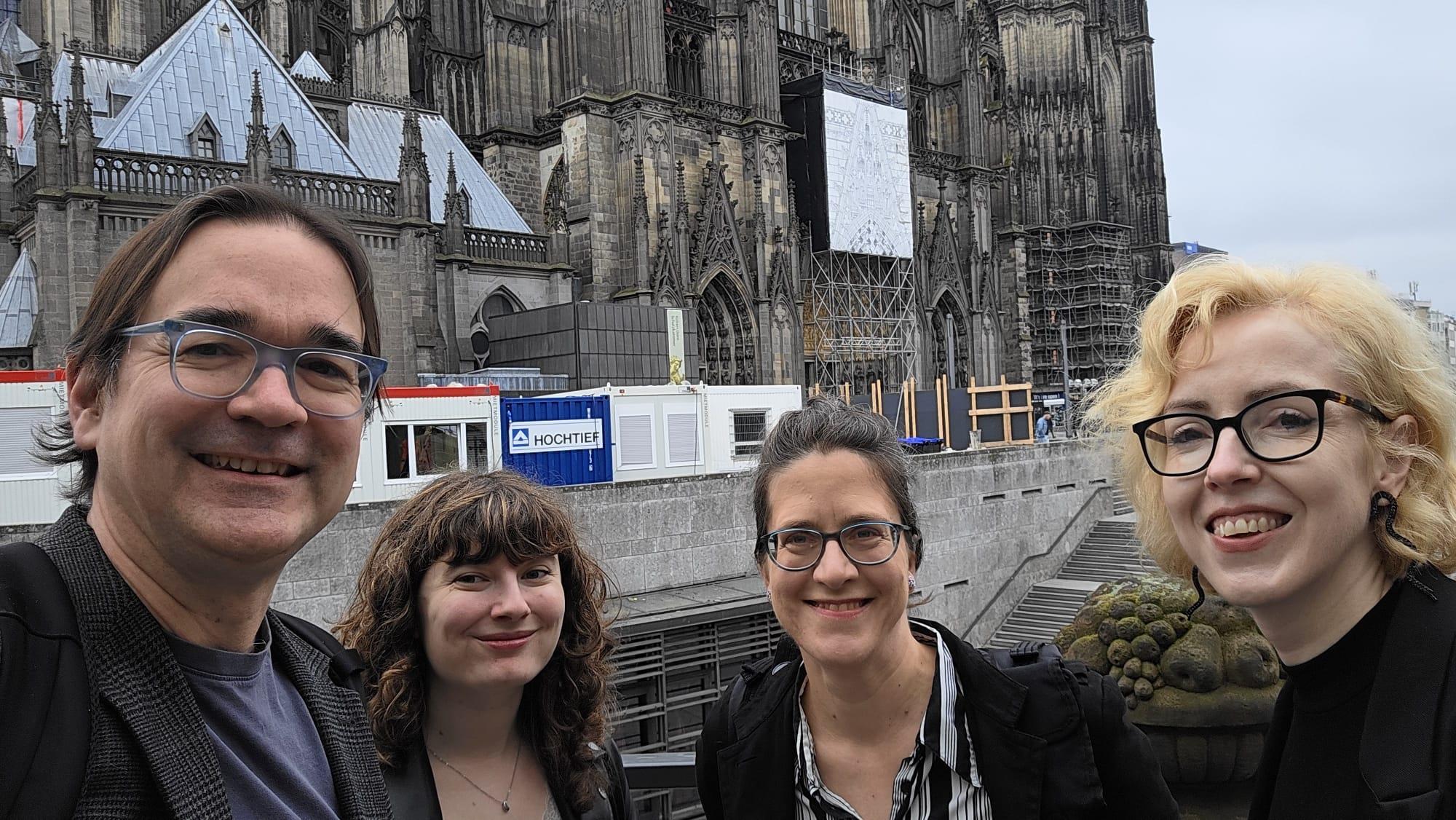
Today marks the start of interpack 2026, and the Packaging Europe team will be reporting live from Messe Düsseldorf for the duration of the show.
From the 7th-13th of May, we’ll be interviewing experts, making new connections, participating in panels, and learning more about the latest and most innovative packaging solutions.
We’ll bring you updates on all of the above in this article, which will be regularly updated throughout the show.
If you’re attending interpack this year, we’d love to meet you! Visit us at hall 10, stand E03.
Alternatively, if there’s a product you think we should learn more about, or someone you know with interesting opinions on packaging – email us at editor@packagingeurope.com
What to expect from interpack 2026
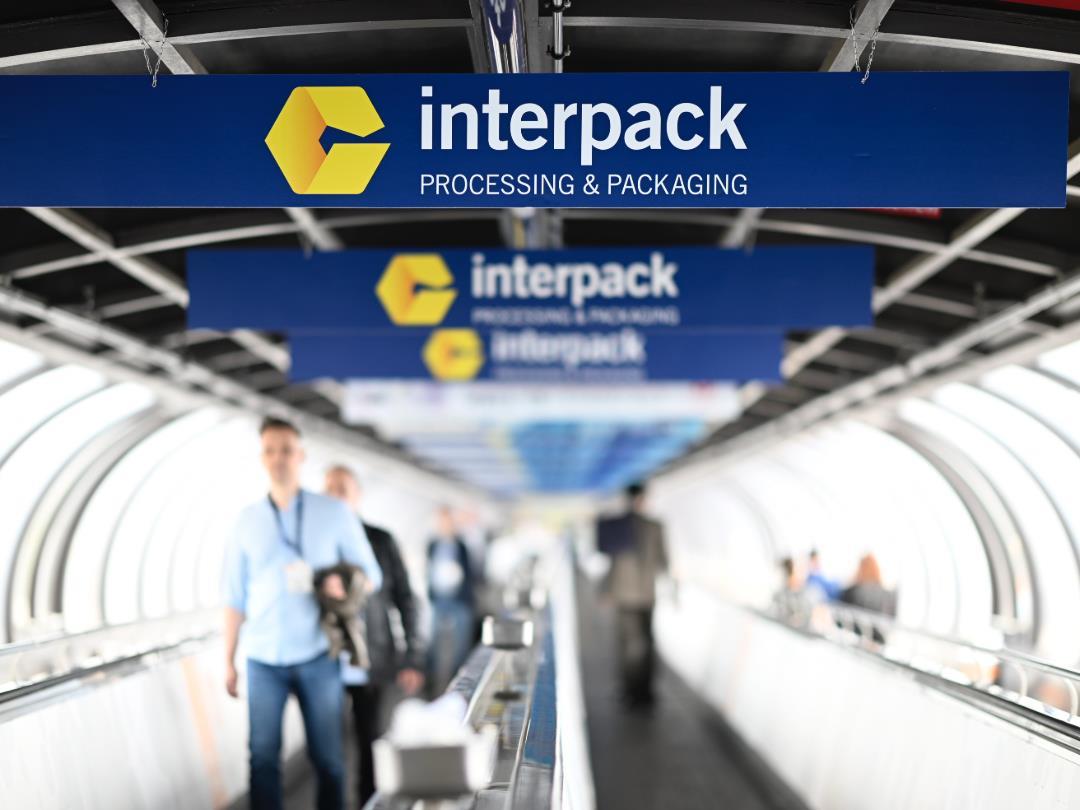
Approximately 2,800 companies from 67 countries are expected to attend this year’s interpack. Represented industries will include food, confectionery, bakery, beverage, pharmaceutical, cosmetics, non-food, and industrial goods.
The event will underline three ‘hot topics’: smart packaging, innovative materials, and future skills. This will cover important conversations such as the potential of automation in sustainability applications; design for sustainability, including fibre-based and biobased solutions and multi-layer recyclables; and the role of technology and young talent in the future of the packaging industry.
Spotlight Forum
The Spotlight Forum will see industry representatives, innovators, and technology providers present daily panel discussions, specialist presentations, and practical demonstrations.
The Forum will focus on a new theme every day:
For a day-by-day breakdown of the talks on offer, click here to view the full Spotlight Forum itinerary.
Start-Up Zone
In the Start-Up Zone, smaller companies will present their innovations through live demonstrations. Attendees will be given a firsthand view of upcoming industry trends, and will be encouraged to hold direct conversations with innovators and form new connections.
Exhibitors include, but are not limited to: Sykell, Recyda, Pal Plastik, Konnect Packaging, Jooyeong, Kiud, Gaiapod, and Cell2Green.
Women in Packaging
On Monday 11th May, the Women in Packaging programme will return to interpack for a second consecutive year. Designed to help female professionals exchange knowledge, make new contacts, and deliver mutual support, the event will open with a keynote speech from Tetra Pak’s head of Sustainability Mid Europe, Caroline Babendererde.
A panel discussion led by Nerida Kelton, vice president Sustainability & Save Food at the World Packaging Organisation and executive director of the Australian Institute of Packaging, will follow. The panelists will discuss the packaging industry’s progress from a range of professional perspectives.
Topic Hubs will also host topic-driven networking rounds under the themes of Career Pathways & Mentorship, Community Building & Peer Networks, Personal Branding & Visibility, Balancing Work & Life and Future Generation & Skills.
The event will begin at 10:30 AM at Congress Centre Düsseldorf, 2nd Floor, Room 26, 27, 28. Interested parties can click here to register.
Young Talents Day
interpack’s Young Talents Day will take place on Wednesday 13th May, and introduce trainees, students, and young professionals to various industrial pathways.
This year, it will foreground one of the trade show’s central themes: future skills. Through the Young Talents Tour, attendees will be encouraged to speak to young industry representatives for insights into their careers and potential pathways into the packaging industry.
Meanwhile, the interpack Career Tour will teach school pupils about the ins and outs of industry apprenticeships, including points of entry, potential career prospects, and the range of employers on offer.
The Spotlight Forum will also feature the ‘NextGen Plastics powered by IK’ session, which will shine a spotlight on young talent in the industry as they address current industry topics.
Additionally, the Science Slam will involve ‘clear and interactive’ presentations as young researchers showcase their work.
Save Food Initiative
The Save Food Initiative will host its Expert Talks on Tuesday 12th May. International organizations, companies, and initiatives will come together to discuss regulation, packaging innovation, global collaboration, and more – all in pursuit of using packaging to protect food and prevent waste.
The SAVE FOOD Design Awards and the Sustainability Design Awards will be presented on-site. The Food and Agriculture Organization, the World Packaging Organization, and the United Nations Industrial Development Organization were among the jury.
The SAVE FOOD Initiative Project Competition will also underline active efforts to tackle food waste, particularly through a packaging lens. It will award projects that manage their resources responsibly across the supply chain, whether through improved logistics, smart packaging concepts, or contributions to consumer and political progress.
Attendees will also be invited to network and exchange knowledge over snacks.


In this edition of The Spotlight, Markem-Imaje examines how 2D coding is redefining the role of flexible packaging and


The material that consumer and industrial (C&I) applications rely on just got a sustainability upgrade. DuPont talks us


Utilizing vacuum aluminizing and laser-writing technologies, Shunho Creative (a sub-brand of Shanghai Shunho International) has developed a plastic-

Seeking to meet the challenges of the climate crisis and regulatory changes, Smurfit Westrock is investing in its manufacturing network,

ATS-Tanner’s banding solutions aim to reduce packaging waste, provide a practical alternative to plastic and improve recyclability. In


BEUMER Group has launched a fully autonomous robotic picking and singulation solution – reportedly able to handle 99.9% of bulk
