



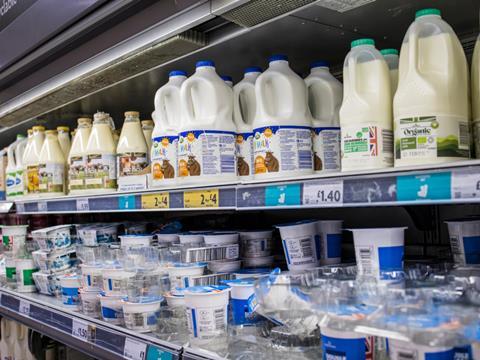
Biffa has revealed it has recycled 10 billion HDPE milk bottles through a closed-loop solution. Managing director of Biffa Polymers, James McLeary, believes this needs to become the norm, and issues such as UK exports of unprocessed plastic waste need to be tackled. In this article, we summarize McLeary’s reflections on the company’s milestone.
Following the 10 billion bottles achievement, Biffa commissioned new research to understand future challenges and opportunities. From an economic perspective, the research found that if the UK stopped exporting unprocessed plastic packaging waste by 2030, it could build up to 15 new recycling facilities, attract over £800 million in private investment, and support more than 9,000 jobs. The economic boost would reach almost £900 million every year without any public funding.
For the UK recycled plastics market to improve, McLeary outlines the following requirements: phasing out exports of unprocessed plastic packaging waste; strengthening the Plastic Packaging Tax with a clear trajectory for recycled content thresholds and tax rate; and introducing third-party certification for imported recycled plastic to prevent fraud. He believes these measures would help create the conditions to enable private investment, close the cost gap between virgin and recycled materials, and ensure more of the value created by recycling stays within the UK.
McLeary notes: “Plastic is not inherently good or bad. Whether a plastic material is fossil derived or renewably derived, synthetic or naturally occurring, there are good and bad ways to design it, to use it and to dispose of it.” He highlights the use of plastic in everyday items including medical and transport packaging - which currently have no scalable alternatives – adding that virgin plastics used in these cases could be replaced with recyclable and reusable options.
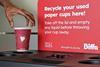
Last year Biffa launched a nationwide recycling service to keep ‘millions’ of hot and cold takeaway beverage cups out of general waste in the UK, giving cafés, restaurants, service stations, supermarkets and other mainland businesses access to a fully integrated disposal, collection, and recycling solution for used cups. The company offered cup disposal points, bags and bins, as well as compliance advice and other practical and technical assistance.
More recently, UK retailer M&S added invisible UV tags to its four-pint milk bottles, enabling them to be tracked throughout the recycling system in collaboration with Polytag. After they have been recycled by households, the bottles enter recycling centres where they are scanned by Polytag’s Plastic Detection Units, allowing the company to view live recycling data.
If you liked this story, you might also enjoy:
The ultimate guide to the Packaging and Packaging Waste Regulation in 2025
How are the top brands progressing on packaging sustainability?
Everything you need to know about global packaging sustainability regulation in 2025
The key to increasing the use of reusable packaging in supermarkets













No comments yet