






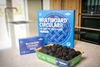
Huber + Suhner states it has converted 35,500 blister packages to 100% recycled polyethylene terephthalate (PET) across its fibre optic product portfolio, as well as removing over 743,000 single-use plastic bags and replacing 1.5 million twist cable ties.
The company says that the new measures include FSC-certified, 100% recyclable paper for connector and cable assemblies and 100% recycled-PET for the Lisa, Sylfa HD and Ianos fibre modules. The changes are said to deliver greater product durability and dust protection while ensuring a lighter transport weight, reducing emissions and operational costs.
Huber +Suhner adds that its customers will benefit from reduced installation waste and the on-site handling of the company’s solutions is improved through quick-open, dust-free paper solutions and stackable blister designs. In addition, verified lifecycle calculations indicate that - when compared to traditional packaging materials – packaging CO2 emissions have been reduced by around 50% for selected blister modules.
In other news, Bertolli launched a 100% recycled PET (rPET) bottle for its olive oil, aiming to reduce virgin plastics use and environmental impact. The company has also launched its Bertolli Extra Virgin Olive Oil Dress & Drizz product in a 100% rPET bottle, claimed to be the ‘only’ one on the market and designed to provide comfortable grip and ‘superior’ dosage control.
The following month, McDonald’s Japan revealed it would be replacing its paper straws with ‘strawless’ rPET lids, transport food in 95% biomass plastic, and pack its Happy Meal toys in FSC-certified paper bags, all in hopes of avoiding 6,600 tonnes of virgin plastic annually. The new lids will be used in all serving options, including in-store, delivery, takeout, and drive-through.
If you liked this story, you might also enjoy:
The ‘complex reality’ of reusable packaging in Europe
Single-use packaging versus reusable packaging: Which is more sustainable?
The ultimate guide to global packaging sustainability regulation














No comments yet