

Drawing on findings from a new report, the Ellen MacArthur Foundation has announced a project aiming to unlock approximately over €50 million in multi-year investment for collection and recycling systems in Recife, Brazil, in collaboration with the city, Brazil’s federal government, Clean Rivers and businesses including Mars, Nestlé, Pepsi Co and Unilever.
The partners plan to explore the feasibility of a new approach to developing collection and recycling systems for packaging, with hopes that it could inform national policy and become a model for similar cities. Brazil’s Ministry of the Environment and Climate Change and the City of Recife are expected to sign formal agreements with the Foundation in support of the project, at a launch event in the city today.
Over the next six months, the Foundation and municipality will work with local stakeholders to develop a detailed plan for the city. If successful, implementation work could begin in Recife as early as 2027.
The collaboration builds on findings from the ‘Closing the Loop: Transforming urban waste systems and protecting Brazil’s rivers’ report published today by the Foundation and Clean Rivers, based on input from over 80 organizations including policymakers, waste picker representatives, businesses, academics, NGOs and funders. Apparently, Recife was chosen as the project’s starting point as its challenges and foundations are similar to many other cities across Brazil.
The project’s longer-term ambition is to build a model to potentially inform national policy and demonstrate how collection and recycling could work efficiently and equitably at scale in Brazilian cities by 2040. Home to 1.6 million people and a network of rivers, bridges, and waterways, the Foundation says Recife has grown plastics recycling by 16.6% in 2024 - more than double the national average – but significant challenges remain, such as only 1% of households having access to formal recycling collection.
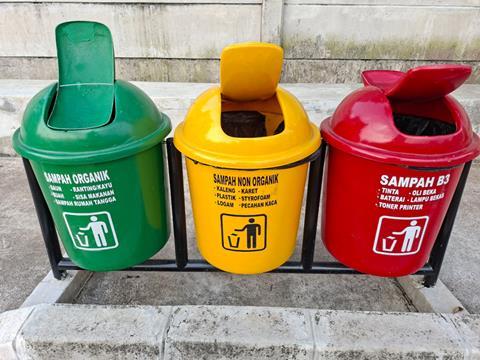
The Foundation cites a study by WWF which states that Brazil is one of the world’s five biggest generators of municipal waste. Despite collection covering at least 92.4% of the population, more than a quarter of urban solid waste still ends up inadequately disposed of, resulting in an estimated 3.5 million tonnes of plastic waste being mismanaged each year. In addition, while over a third of municipal waste is recyclable – such as plastics, glass and paper – less than 9% actually gets recycled.
The Closing the Loop report shows that an improved urban waste system in Brazil could recover more than approximately €2 billion in recyclable value currently lost to landfill. It also highlights that around 9,300 jobs could be created across collection, sorting and materials processing, with plastics recycling supply chains generating around 64,000 more by 2030.
Brazil’s 800,000 waste pickers recover up to 90% of all recyclable materials in the country, yet most work without fair pay or safe conditions. The report calls for formal recognition, compensation for the services they provide and a formal role in how cities manage collection and recycling, building on a principle already in the national policy.
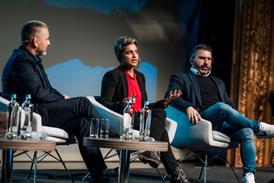
Recife mayor Victor Marques says: “Recife has stood out in recent years in strengthening policies aimed at solid waste management – whether in collection, disposal, or, most notably, in promoting assistance, training, and support for the workers who operate within this chain.
“This project, together with the Ellen MacArthur Foundation, will help us advance even further along this path, not only in the pursuit of a cleaner and more sustainable city, but beyond that, in the human dimension and social development. This is a partnership that promises great results for the population as a whole, and especially for those most in need.”
Last year Brazil mandated a reverse logistics system for plastic packaging from January 2026, requiring market operators to participate for primary, secondary, and tertiary plastic packaging under a new law. It also set out targets for 22% recycled content and a 32% recovery rate this year.
Back in March, the Foundation released a report that recommended paper solutions as an alternative to flexible plastic packaging. We recently unpacked and examined the key findings of the report in a conversation with Laura Smith, programme manager for Plastics and Packaging at the Ellen MacArthur Foundation.
If you liked this story, you might also enjoy:
The ultimate guide to packaging innovation in 2026
Packaging and Packaging Waste Regulation: what to know in 2026
Everything you need to know about global packaging sustainability regulation













No comments yet