



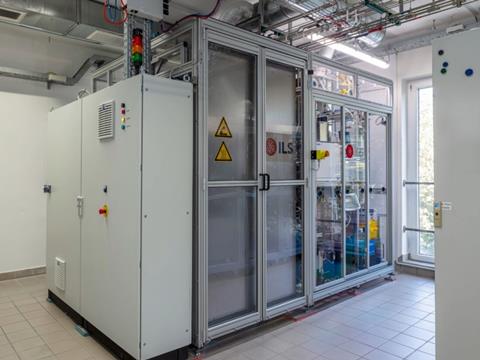
Borealis has partnered with EU-funded Project ELECTRO to help enable circular feedstocks. The initiative brings together universities, research institutes and industry players to develop electrified, high-efficiency recycling technologies capable of turning low-quality waste into premium raw materials.
Project ELECTRO aims to develop electrified thermochemical processes that transform mixed and hard-to-recycle waste, including multi-layer packaging and contaminated plastics, into high-purity olefins such as ethylene and propylene. By using renewable electricity instead of fossil-based energy, ELECTRO says it targets up to a 90% reduction in greenhouse gas emissions, matching the ambition of the EU’s circularity and decarbonization agenda.
Borealis states that its contributions to the project include evaluating full-range pyrolysis oil (pyoil) and its fractions; optimizing circular hydrocarbon mixtures for large-scale cracking; developing cracking strategies tailored to diverse pyoil qualities and applying prefractionation, advanced filtration, and quality assessments to improve process performance.
The company also connects Project ELECTRO with Project STOP - the waste management initiative co-founded by Borealis and Systemiq in 2017. Household plastics collected in Indonesia through Project STOP are used in ELECTRO’s research, allowing the consortium to test the viability of chemical recycling on challenging, low-value waste streams.
In April this year, VTT and LUT University claimed to have converted biogenic carbon dioxide from waste incineration and the forest industry into polypropylene, polyethylene, and other ‘high-value-added’ products, following a three-year carbon capture and utilization project. The project sought to discover how different technologies could create renewable plastic raw materials using carbon dioxide and green hydrogen.
More recently, Indaver announced that its Plastics2Chemicals installation in Antwerp is producing chemically recycled raw materials for ‘virgin quality’ packaging applications, with an anticipated annual capacity of 26kT. Plastics2Chemicals utilizes Indaver’s thermal depolymerization technology to break polymers down into monomers, which are then purified and distilled in preparation for use in contact-sensitive applications.
If you liked this story, you might also enjoy:
The ultimate guide to the Packaging and Packaging Waste Regulation in 2025
How are the top brands progressing on packaging sustainability?
Everything you need to know about global packaging sustainability regulation in 2025
The key to increasing the use of reusable packaging in supermarkets














No comments yet