



As sustainability targets across the packaging industry are increasingly scrutinized and refined, one question is becoming critical: how can packaging deliver both protection and recyclability? Koehler Paper believes that for paper-based solutions, the answer lies in the design of functional barriers. The company explains why in this Spotlight.
Barriers are essential for protecting products against moisture, grease, oxygen or mineral oil. However, not all barrier technologies are equally compatible with existing recycling systems. Conventional laminated structures, for example, often rely on firmly bonded plastic layers that are difficult to separate during recycling, leading to fibre losses and reduced material recovery rates.
Dispersion-based barrier technologies offer a different approach. Applied as thin, water-based coatings directly onto the paper surface, these coating layers are designed to break down and detach from the fibres under standard recycling conditions. The combination of water, heat and mechanical treatment allows the coatings to either dissolve or fragment, enabling a high recovery of fibres and supporting established recycling standards such as CEPI.
Addressing packaging waste in a circular system
Beyond recyclability performance, broader environmental considerations are also shaping barrier design, including the increasing focus on reducing packaging waste and preventing environmental leakage. Flexible packaging solutions, in particular, are under growing scrutiny in terms of how they are used, collected and managed at end of life.
Paper-based alternatives can support these objectives by contributing to packaging concepts that are designed for circular material flows and reduced environmental impact. Initiatives such as those led by the Ellen MacArthur Foundation highlight the importance of designing packaging systems in which materials remain in use and waste is minimized.
In this context, the industry is expanding the range of raw materials used in barrier systems. While mineral oil-based and fossil-derived solutions deliver strong functional performance, another option that is still in the early stages of research might lie in bio-based barrier approaches. These rely on alternative coating materials while maintaining the required protective properties.
Bio-based barriers as a sustainable option
These coatings are typically derived from renewable materials such as cellulose, starch, chitosan, alginate or plant-based proteins and oils, all of which can contribute to barrier performance against oxygen, grease or mineral oil. In the context of evolving regulatory frameworks such as the EU’s Packaging and Packaging Waste Regulation (PPWR), these developments are becoming even more relevant. This is where targeted material and technology development becomes critical.
Against this backdrop, Koehler Paper focuses on developing barrier papers that are compatible with existing recycling infrastructures while continuously increasing the share of bio-based components. Its Koehler NexFlex® product range demonstrates how barrier functionalities can be achieved without complex multi-material laminates.
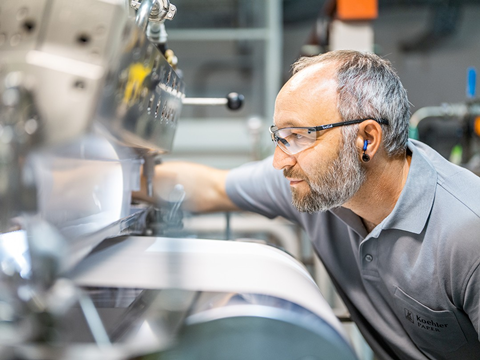
Delivering such performance requires extensive research and development. Koehler combines expertise across the entire value chain, from fibre processing and coating technologies to analytics and regulatory assessment. Within its dedicated Koehler Innovation & Technology unit, more than 100 experts work on developing new materials, processes and products for circular paper-based packaging, including bio-based polymers for barriers.
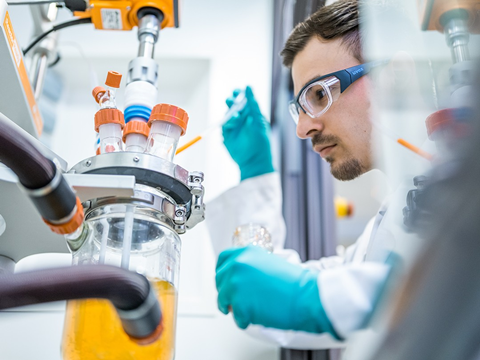
A key focus lies on integrating recyclability already at the design stage. In its own recycling laboratory, Koehler evaluates paper and barrier concepts under realistic conditions, simulating the full recycling process and applying established test methods such as CEPI and PTS. This structured innovation process, from idea validation and lab-scale prototyping to pilot testing and industrial production, ensures that new solutions are not only technically viable, but also scalable and ready for industrial implementation.
This content was sponsored by Koehler Paper.