


In this edition of the Spotlight, UPM explains how converters and brand owners can pave a path to PPWR-compliant packaging by looking to renewable feedstocks as a source of sustainable, bio-based packaging and labeling materials.
On 12 August 2026, the world will change for many European companies. From that day forward, they’ll need to comply with the EU’s Packaging and Packaging Waste Regulation (PPWR). And while a grace period will remain for some of the requirements (such as Design for Recycling criteria to be applied from 1 January 2030), the window to prepare is only getting smaller.
The good news is that the transition does not require trading off performance and efficiency for sustainability. Many materials shown to be recyclable, reduce carbon footprints and have proper supply chain traceability while delivering the same functional results are already available. UPM’s portfolio of packaging and labeling material solutions exemplifies how performance and sustainability can work hand in glove.
How can materials help decarbonize plastic?

The lowest-disruption route to reducing the carbon footprint of plastic packaging is changing the materials rather than the product. UPM Next Generation Renewables produces 100% wood-based biochemicals from sustainably sourced European wood, including a drop-in alternative for PET production.
UPM Bio PET™ has a significantly lower carbon footprint than standard, fossil-based PET yet remains fully compatible with existing manufacturing processes and PET recycling infrastructure. Essentially, it can produce the same product with no new equipment, no change to the packaging format, and no impact on recyclability.
What are the alternatives to plastic in food packaging?
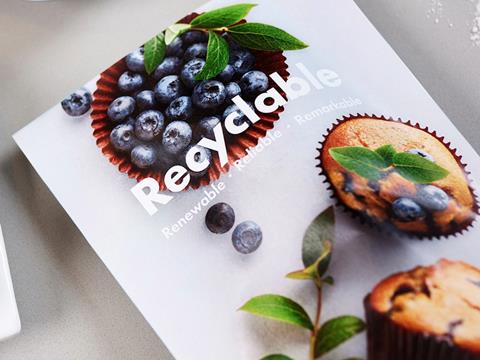
UPM Specialty Materials produces packaging papers for food and non-food applications, and works directly with converters, brand owners, and other partners to help them to meet their future packaging ambitions. By working closely with partners across the value chain to co-create fibre-based packaging solutions, they provide the required barrier protection while maintaining compatibility with existing fibre recycling streams and compliance with relevant regulations. These solutions can even be used in demanding applications and replace hard to recycle multi-material and layered structures, like coffee and spice packaging.
Are labels part of the package?
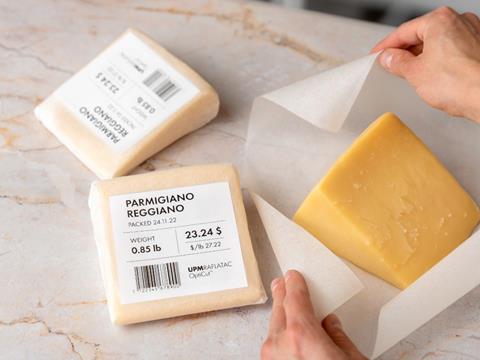
The PPWR and newly published EN 18120 standards on plastic packaging recyclability define labels as part of the packaging. That’s because a label’s material composition, adhesive type, and ink compatibility with sorting and deinking processes all affect recyclability. That makes choosing the right label critical for compliance.
UPM Adhesive Materials offers self-adhesive paper and film label constructions, serving fast-moving consumer goods, logistics, pharmaceutical, beverage, and industrial sectors.
From forest to shelf
At UPM, we work closely with our customers to address needs across every stage of the packaging development process – from initial material specification to co-creation for the most technically complex applications. With more than 150 years of experience in bio-based materials, a global network with local regulatory knowledge, and certified production across all product lines, we are positioned to support organizations all over the world with their transition to PPWR-compliant, lower-carbon packaging.
Companies that make these material choices now will meet PPWR requirements on their own terms. Those that delay will find themselves struggling under pressure applied by both regulators and market needs.
This content was sponsored by UPM.