




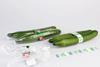
Hydropac is preparing to introduce its HydroPure water ice pack which appears to ‘crack’ and changes from black to white once it has reached optimum freezing temperature.
Developed specifically for food manufacturers, meal kit providers, online retailers and pet food brands, the pack aims to maximize cold-chain performance and offer environmental, functional and commercial packaging advantages. The company says that removing gel from the pack removes a difficult to recycle refrigerant, helping brands reduce the environmental footprint of their cold chain packaging without compromising on cooling performance.
Hydropac adds that the new pack offers potentially lower EPR liabilities, as purified water isn’t classified as a chargeable packaging material in the same way as gel. The company states it has received confirmation from UK environmental consultant Valpak that gel-filled packs are reported differently to water-filled packs.
For a water-filled ice pack, only the plastic film is reported as packaging, with the water content excluded. For a gel-filled pack, the plastic film is reported as plastic and the gel content is reported separately within the ‘other’ material category. Where the product is classified as household packaging, both these reported weights are included in the calculation of EPR waste-disposal fees.
Hydropac’s analysis of the current EPR fee structure suggests a standard 500g water ice pack like HydroPure could attract disposal fees of around ½ a penny per unit, compared with approximately 14.3p for an equivalent gel pack, because both the plastic film and gel contents are classified as chargeable packaging material. Based on current fee rates and volume assumptions, the company says this represents an additional disposal cost of approximately 13.75p per gel pack, which could equate to around £13,750 per year for a business handling 50 tonnes of packaging annually, increasing to more than £137,000 at 500 tonnes.
In January Hydropac updated its HydroFreeze range of water-based ice packs, with the new additions expected to help customers save energy, reduce waste, and use fewer packs for quicker conditioning operations. Compared with Hydropac’s original water-based ice pack, the new solutions are thought to freeze 51% faster.
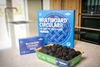
This summer Folbb unveiled a new hardsized cartonboard application for freezer food, designed for products that can be cooked in the oven or microwave from frozen. Made from virgin fibre cartonboard, it is said to be fully recyclable and biodegradable and does not contain any Optical Brightening Agents (OBAs) or added PFAS.
If you liked this story, you might also enjoy:
The ultimate guide to packaging innovation in 2026
Packaging and Packaging Waste Regulation: what to know in 2026
Everything you need to know about global packaging sustainability regulation










No comments yet