

BASF is launching a portfolio of dispersions for paper coating that claim to reduce product carbon footprint (PCF) by approximately 20-45%.
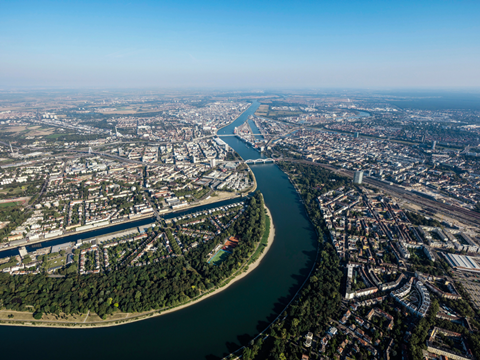
The products are manufactured at BASF’s Ludwigshafen Verbund site using a mass balance approach. A specified share of conventional raw materials or converted utilities are replaced with corresponding alternatives that offer a reduced PCF. Then the share is allocated to the reduced-PCF products for a lower carbon footprint.
Reportedly, the dispersions use low-PCF materials and green utilities, including low-PCF steam and electricity from renewable sources. The manufacturing process has not been changed, which is set to help customers transition easily into the new portfolio without requiring requalification.
The binders and are intended to help customers lower emissions in the ‘Purchased Goods and Services’ category – as well as work towards their Scope 3.1 carbon reduction targets.
BASF’s calculation methodology for product carbon footprints has been certified by TÜV Rheinland as compliant with guidance issued by the Together for Sustainability (TfS) initiative.
“We are launching our new rPCF portfolio to address our customers’ need for practical solutions for emission reduction,” said Prof. Dr. Thomas Schiele, vice president Business Management Adhesives, Fiber Bonding, Printing, Paper & Packaging.
“The new products offer a cost-effective option for contributing to relevant CO2 savings. As part of BASF’s commitment to the paper and board industry, this is one way we aim to support our customers in addressing current and future market challenges.”
If you liked this story, you might also enjoy:
The ultimate guide to global packaging sustainability regulation in 2026
PPWR timeline: the key dates to know










No comments yet