




Aliplast and Cantina Pizzolato report that they recovered and recycled over 90% of the plastic films used to package and transport wine in 2025, contributing to the development of a circular production model.
Since the partners joined forces last year, Aliplast has collected Cantina Pizzolato’s plastic waste and recycled it into a raw material for use in new production cycles.
In 2025, 91.7% of Cantina Pizzolato’s waste was sent for recycling, with the winery supplying 19,810kg of plastic film – as well as 1,801kg managed through the local collection service.
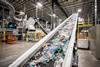
The collected films are transported to Aliplast’s plant in Istrana, Treviso. There the plastic undergoes sorting, washing and grinding process, and the pellets are used to produce new plastic films – each containing 30% recycled plastic and 70% virgin material.
This approach is believed to ensure strength, elasticity and high technical performance while reducing the consumption of virgin resources.
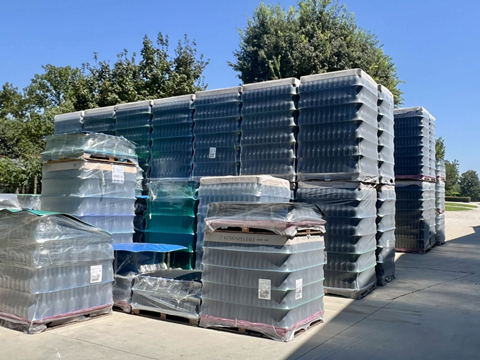
Overall, Aliplast and Cantina Pizzolato aim to introduce an efficient end-of-life recovery process for the wine sector, where flexible plastics such as pallet covers and stretch films keep products stable and protected in transit.
Using recycled plastic is set to lessen the supply chain’s environmental impact and help develop circular production models. It is also set to align with the Packaging and Packaging Waste Regulation’s recyclability and recycled content requirements.
The collaboration is part of Cantina Pizzolato’s wider sustainability programme. It is hoped to close the material loop, reduce the need for disposal, and strengthen the overall coherence of the production model.
“The partnership with Cantina Pizzolato demonstrates how it is possible to transform plastics waste management into an efficient and traceable industrial process, capable of generating environmental and economic value,” says Aliplast CEO Michele Petrone.
“Integrating recycling directly into our partners’ production chains means making a tangible contribution to the spread of circular economy models, anticipating regulatory changes and strengthening businesses’ competitiveness.”
“The project with Aliplast combines environmental sustainability with efficiency in resource management, reducing waste, encouraging material recovery and strengthening ties with the local area thanks to the collaboration between two organisations located just a few kilometres apart,” adds Sabrina Rodelli, partner responsible for sustainability at Cantina Pizzolato.
“In other recycling projects, the lack of operational facilities in Italy still forces us to transport materials across the border. This is why we consider it particularly significant to be able to develop a local, circular supply chain.
“Our hope is that this experience will become a replicable model and a source of inspiration for other companies, helping to foster a culture of sustainability and shared responsibility capable of generating positive and lasting impacts.”
Cantina Pizzolato is also investing in a long-term project using high-quality recycled plastic packaging produced in a secure and certified European supply chain such as Aliplast’s. This is anticipated to overcome the challenges of geopolitical instability, supply chain tensions and volatile raw material costs.
It is expected to go beyond simply regulatory compliance and help Cantina Pizzolato reduce its dependence on fossil fuels without disrupting production continuity.
If you liked this story, you might also enjoy:
The ultimate guide to packaging innovation in 2026
Packaging and Packaging Waste Regulation: what to know in 2026
Everything you need to know about global packaging sustainability regulation













No comments yet